

Artuqids
Yellow limestone ashlar architecture around Mardin, Diyarbakır, and Hasankeyf; fluted ribbed domes and monumental arch bridges.
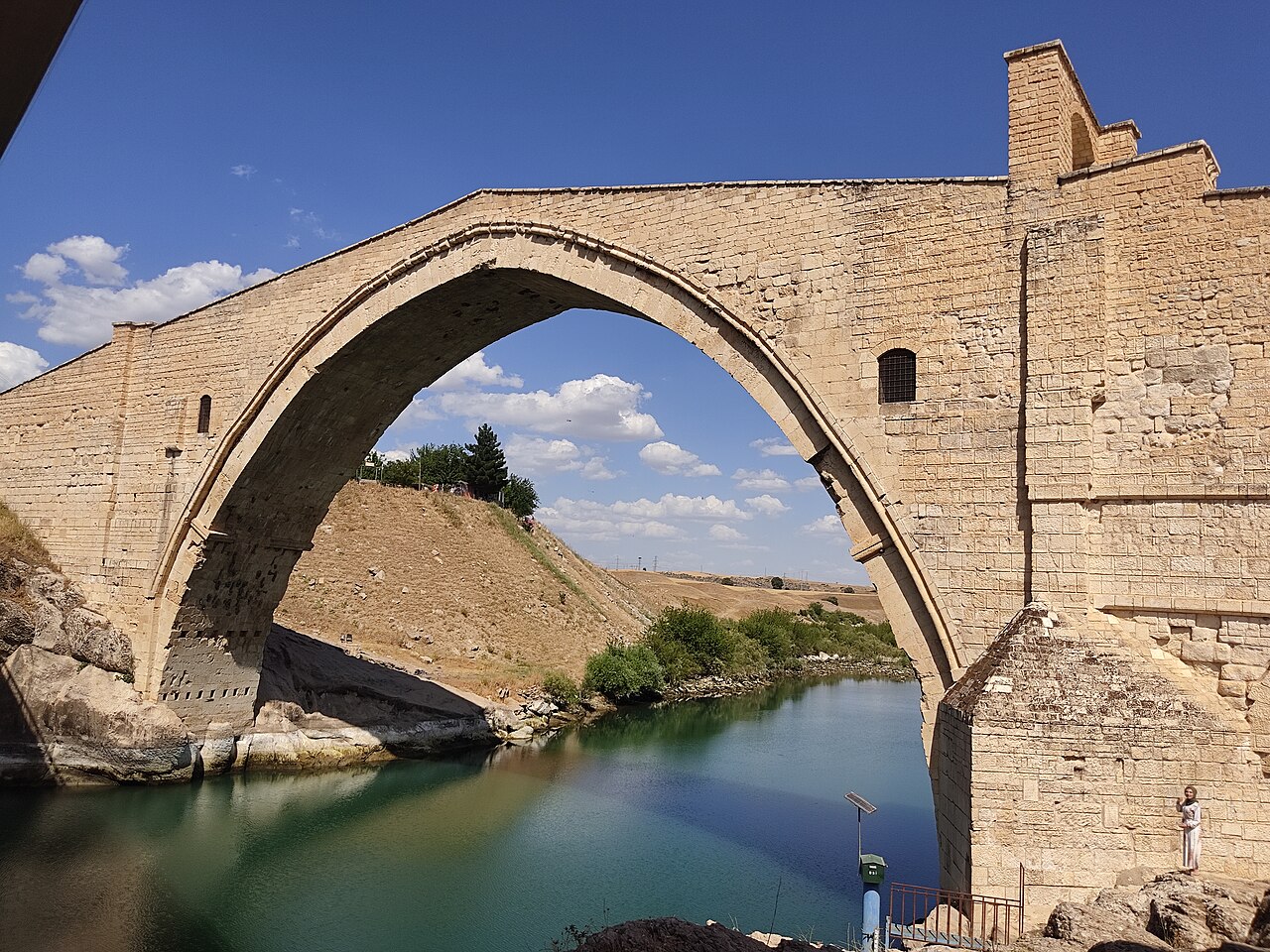
Upper Mesopotamia Artuqid Cultural Route: The Memory of Stone and Water
The Artuqid architectural corridor extending from the black basalt of Diyarbakır Walls to the monumental Malabadi Bridge over Batman River, then to Mardin Ulu Mosque and Kasımiye Medrese.
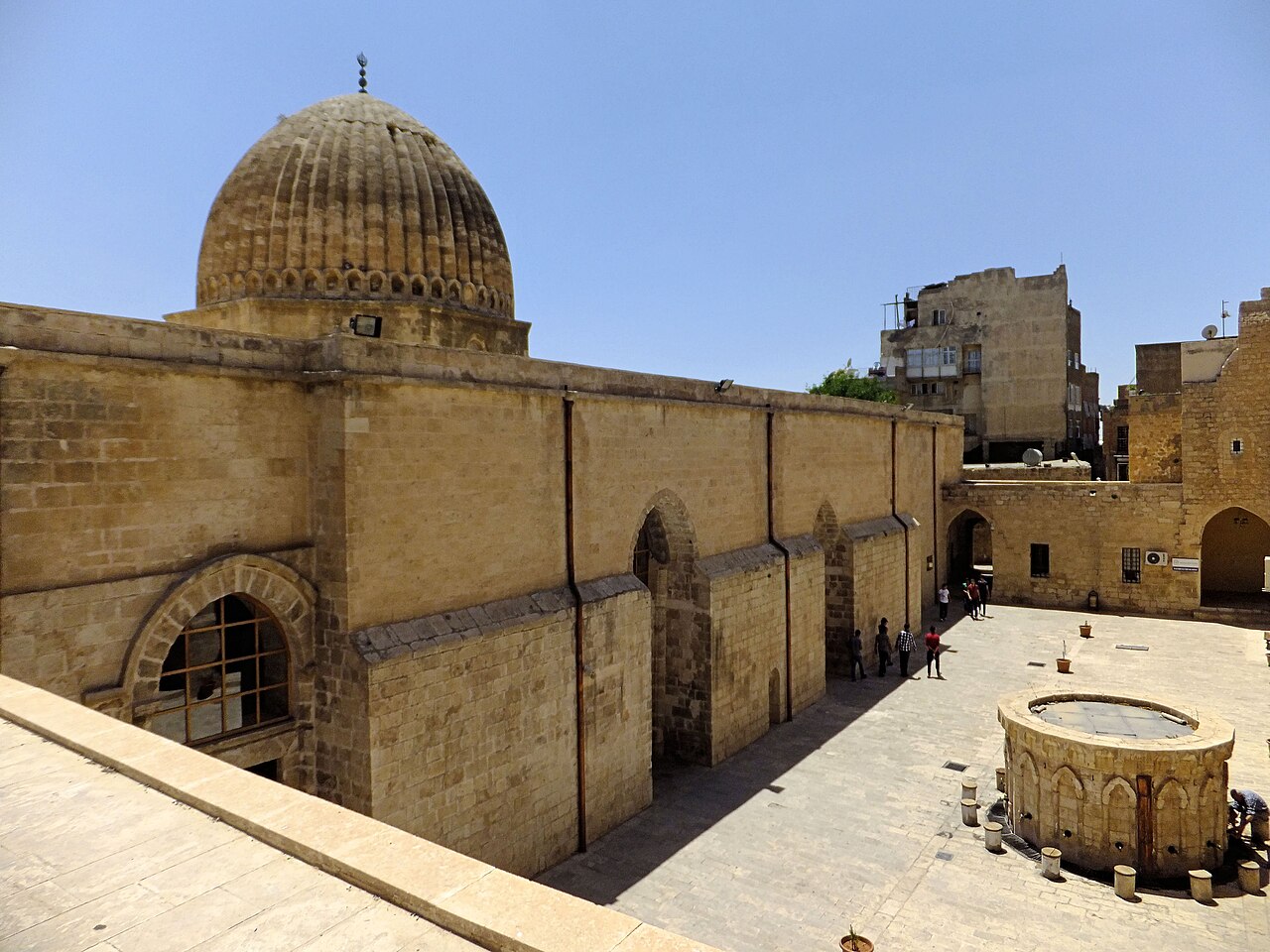
Mardin Ulu Camii
The segmented fluted dome facing the Mesopotamian plain, the carved minaret in the northeast corner, its courtyard selsebil cascade, and its pivotal role in Artuqid architecture.
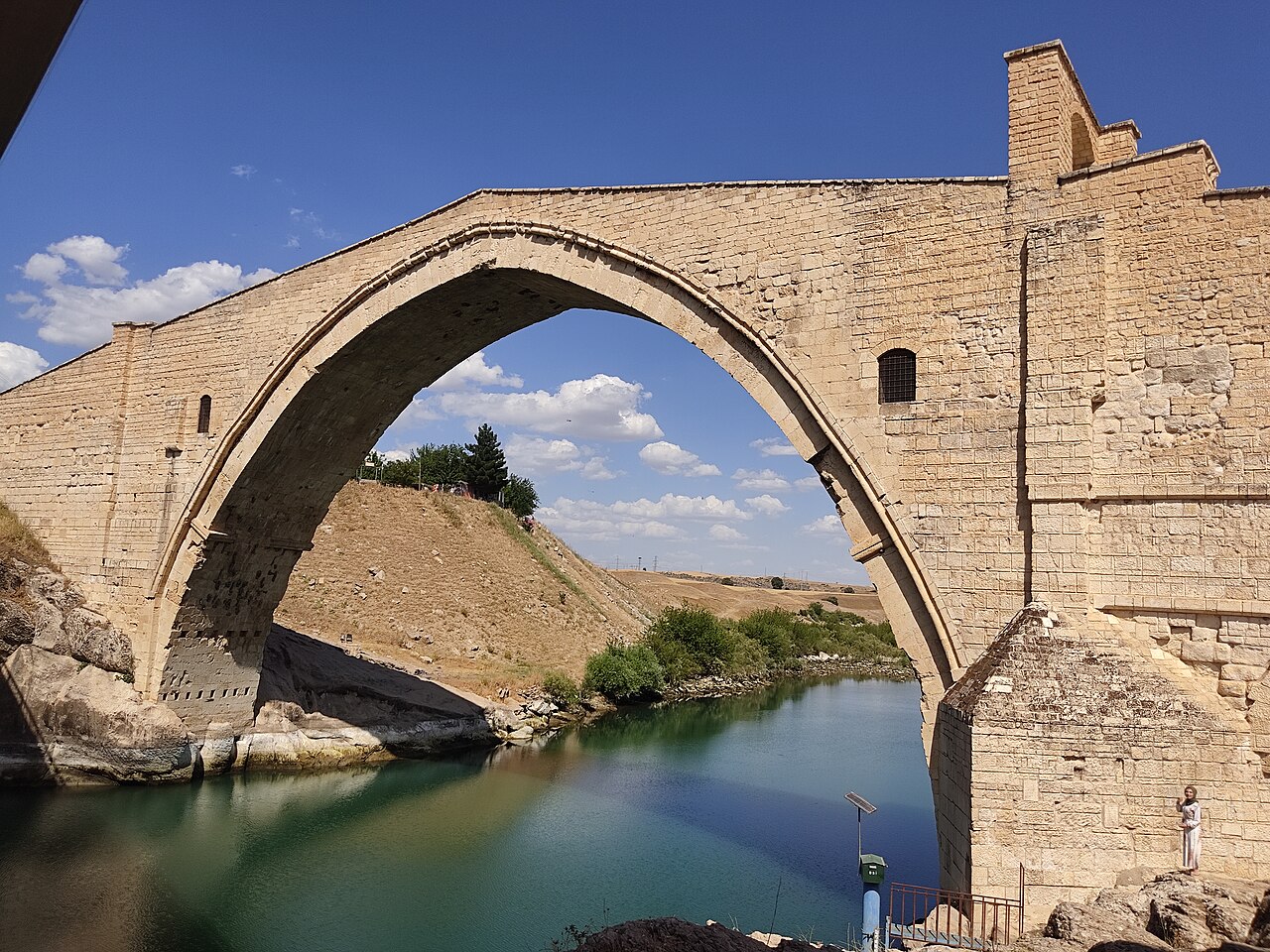
Malabadi Bridge
The monumental Artuqid stone bridge spanning the Batman River with an unprecedented 38.60-meter pointed arch, integrated travelers' chambers, and astrological figural reliefs.
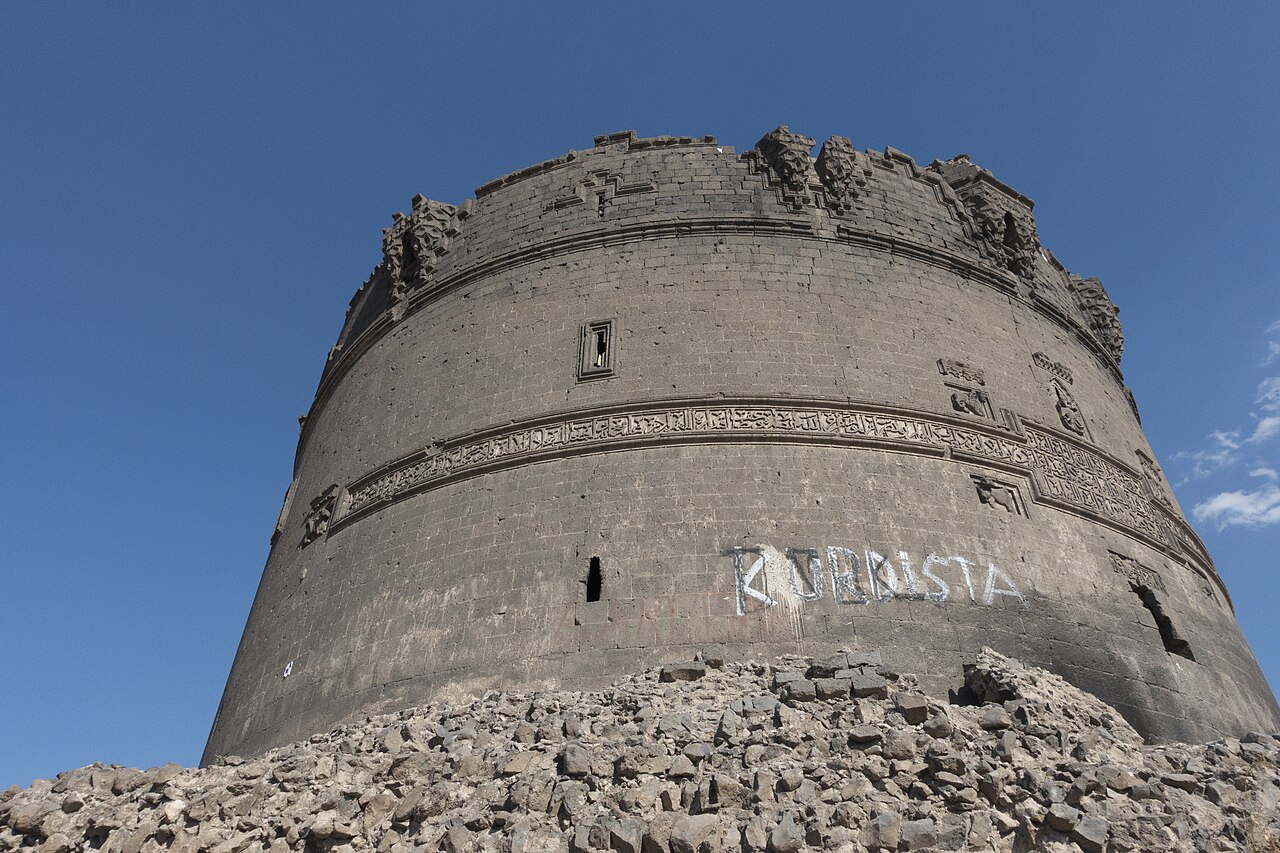
Diyarbakır Fortress and Walls
A UNESCO World Heritage black basalt circuit integrating Artuqid sculpted towers and Hevsel Gardens, preserving uninterrupted layers of Roman, Byzantine, Abbasid, Seljuk, and Ottoman epigraphy.
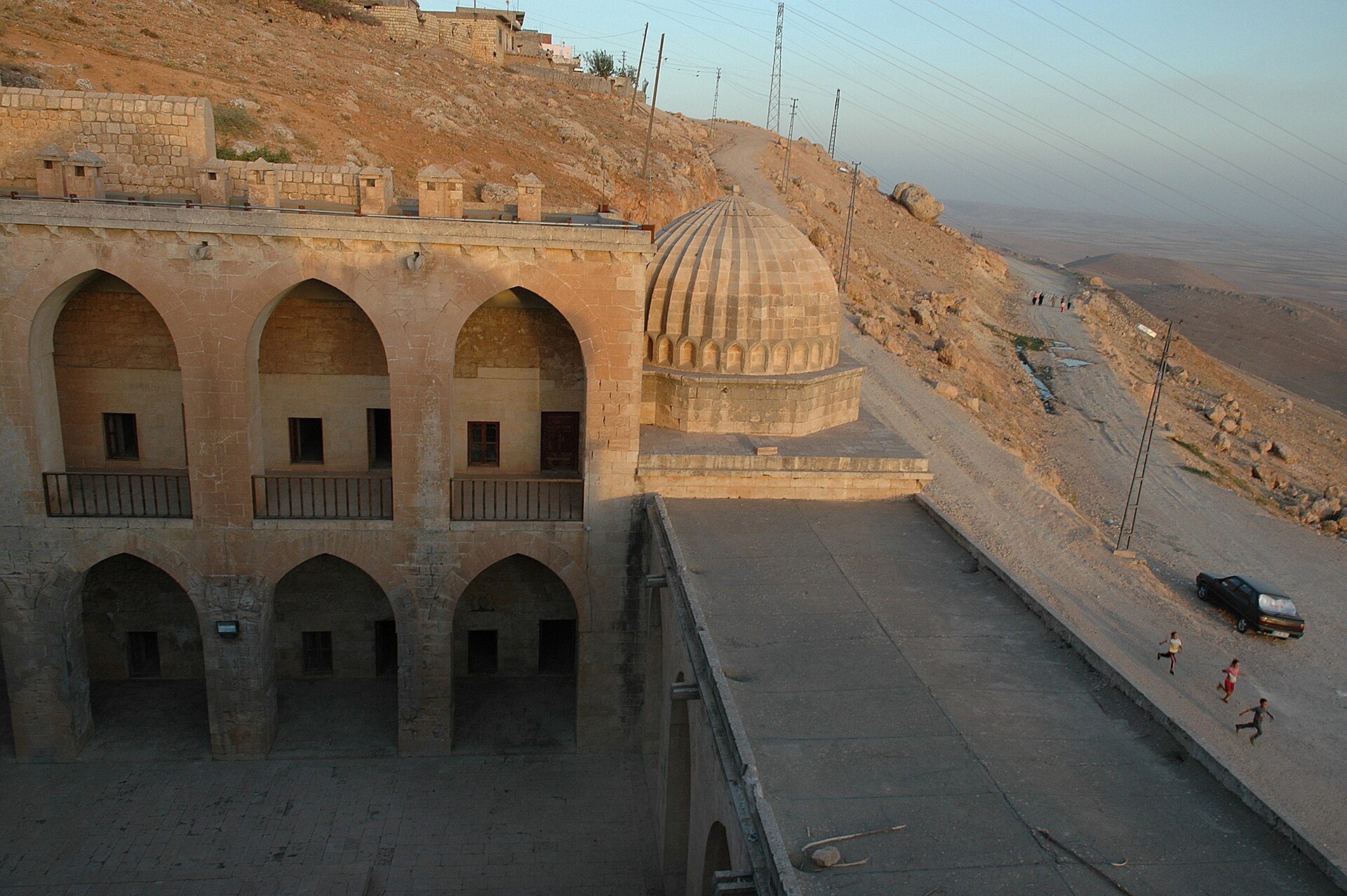
A Medrese Facing the Mesopotamian Plain: Kasımiye in Mardin
The Kasımiye Medrese, located on a slope overlooking the Mesopotamian plain in southwest Mardin: The plan, courtyard, tomb chamber, and uncertainties in dating of this structure initiated during the Artuqid period and completed during the Akkoyunlu era.