
Overview
- What: A medieval fortress built for defensive purposes (spanning the 5th through the 15th centuries) and a multi-domed stone house of worship (roofed with circular domes).
- Where: In eastern Turkey, within the city center of Kars Province.
- Why it matters: These cultural heritage monuments preserve tangible traces of the military and religious transitions shaped by various kingdoms, principalities, and empires.
Publication Date: October 2026
The city center of Kars possesses a layered historical legacy that extends from the past to the present day. Two monuments commanding the city’s skyline—the Castle of Kars and the adjacent Church of the Apostles—bear the marks of distinctly different eras. These two landmarks tangibly reflect the region’s shifting governance, defensive, and devotional requirements across centuries.
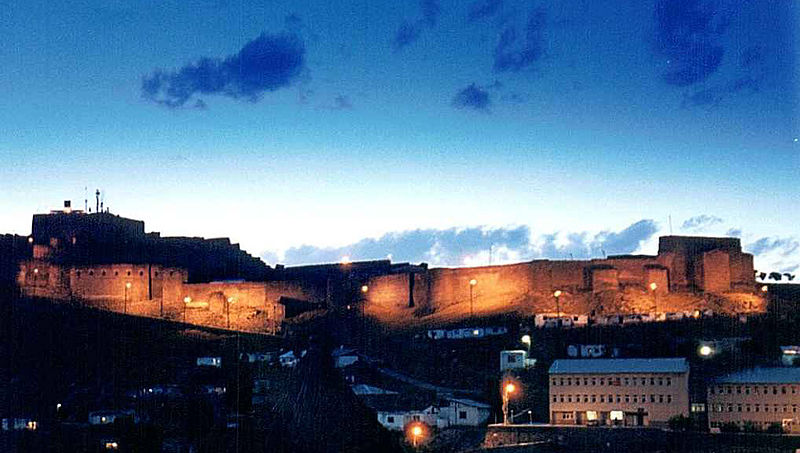
The Castle of Kars is a defensive fortification that has survived to our day with sturdy ramparts bearing witness to the city’s military past. The Church of the Apostles, also known as the “Kümbet Mosque” and often hailed as the “Hagia Sophia of the East” (a major and monumental church), has shared this same landscape throughout wars, conquests, and administrative transitions.
In cultural heritage studies, these structures represent focal anchors carrying the city’s social memory (the shared recollections of a society’s past) and collective memory into future generations [3]. For anyone seeking to comprehend the city’s historical evolution, these two landmarks offer invaluable insights [1, 2].
Location
The Castle of Kars and the Church of the Apostles are situated in the Eastern Anatolia Region, within the provincial borders of Kars [1, 2]. Both structures are listed among the essential must-visit destinations in the Kars city center [1, 2]. Within the urban fabric of Kars (the coherence of its streets and buildings), they form a mutually complementary historic core [1, 2].
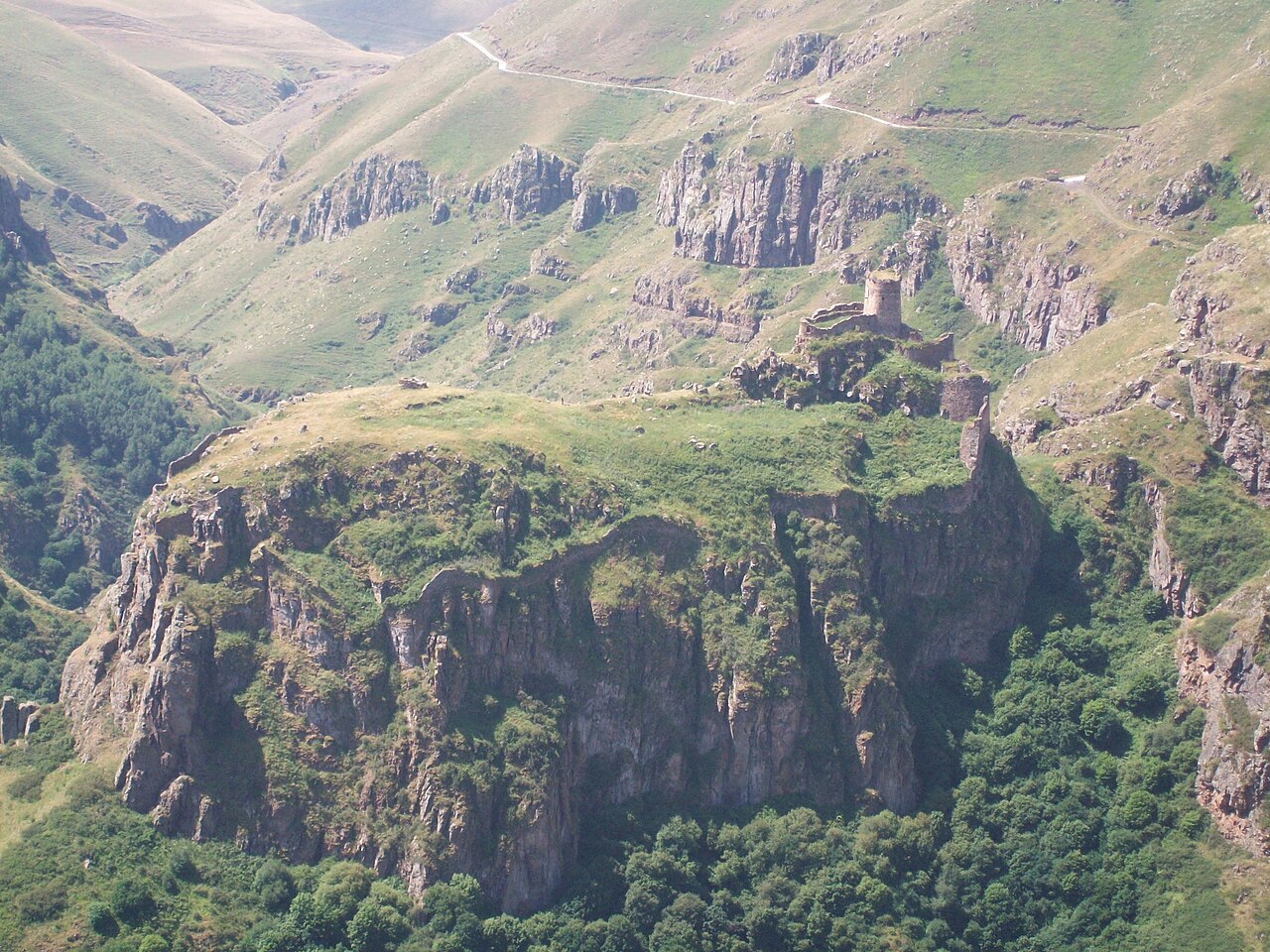
The Castle of Kars is a defensive fortification located right at the focal center of the rampart line encircling the city [1]. The Church of the Apostles is a sanctuary (a space dedicated to prayer and communal religious observance) nestled within the urban residential core [2]. Both monuments are mapped and pinpointed across open geospatial databases (online mapping systems) and navigation platforms [1].
These buildings stand at the intersection of daily urban life and shared historical memory. According to academic evaluations, the relationship they cultivate with the surrounding urban setting is deemed critical for preserving the city’s shared past [3]. Both monuments occupy a central position in sustaining an enduring sense of urban belonging (civic identity and attachment to the city) [3].
History & Origins
Historical sources provide detailed chronological accounts regarding the construction phases and historical transformations of both the Castle of Kars and the Church of the Apostles [1, 2]. The origins of both edifices trace back to the Middle Ages (5th–15th centuries) [1, 2].
Historical Evolution of the Castle of Kars
According to an epigraphic inscription carved into its stone masonry, the Castle of Kars was erected during the reign of the Saltukid Beylik (a principality that ruled Anatolia in the 12th century) [1]. As stated in the inscription, the citadel was commissioned by Vizier Firuz Akay under the decree of Sultan Melik Izzeddin in 1152 [1]. Some sources note that the fortification was completed in 1153 [1].
Following its construction, the fortress witnessed numerous major sieges and military clashes. Historic records document that Timur (the conqueror who founded a vast empire in Central Asia) destroyed the citadel in 1386 [1]. Left in ruins for an extended period after this destruction, the fortress was rebuilt in 1579 by Lala Mustafa Pasha upon the imperial decree of Ottoman Sultan Murad III [1]. A new inscription was mounted on the citadel during this reconstruction.
Twenty-seven years after the installation of this inscription, in 1606, Shah Abbas I of Persia laid waste to the fortress once again [1]. Extensive repairs and structural refurbishments were carried out under Ottoman administration in 1616 and 1636 [1]. In more recent history, the Russo-Turkish War of 1877–1878 (the War of ’93, numbered according to the Rumi calendar in which the conflict broke out) inflicted heavy damage upon the fortress [1]. The restorative interventions undertaken following this destruction have allowed the Castle of Kars to endure to the present day.
Transformation Phases of the Church of the Apostles (Kümbet Mosque)
The Church of the Apostles was constructed in the 10th century (900–999) under the Armenian Bagratid Kingdom [2]. King Abas I commissioned the sanctuary as an Armenian-Georgian church (a Christian house of worship) [2]. The construction was completed within five years [2].
Beyond serving as a place of worship, the monument was erected specifically to commemorate the Twelve Apostles (the closest disciples of Jesus), revered as sacred in Christianity [2]. In the 10th century, the Armenian and Georgian communities of the region shared the church as a common house of worship [2]. During that era, the church also assumed the function of a cathedral (the seat of an archbishopric) for the Armenians.
Over the centuries, the ownership and ecclesiastical function of the structure underwent repeated shifts [2]:
- In 1064, when the region came under Muslim rule, the church was converted into a mosque (an Islamic house of worship) and renamed the Kümbet Mosque [2].
- When the territory fell under Russian control, the sanctuary was converted into a Russian Orthodox church [2].
- In 1918, as the region reverted to Turkish governance, the building was reinstated as a mosque [2].
- In 1964, the edifice was adapted into a museum, serving as an exhibition venue for historical artifacts unearthed during local archaeological excavations in Kars [2].
- This museum function continued uninterrupted until 1981 [2].
- Since 1993, the structure has once again served as an active mosque [2].
According to scholarly research, the Church of the Twelve Apostles represents a profound site of memory (lieu de mémoire) within the city’s collective memory [3]. Preserving the building’s architectural integrity and historical testimony is recognized as vital for urban sustainability (the enduring environmental, social, and cultural vitality of the city) [3].
Architectural Form
Sources provide comprehensive details on the physical condition, plan layouts, building materials, and ornamental programs of both monuments [1, 2].
Physical Characteristics of the Castle of Kars
The Castle of Kars exemplifies military defensive architecture and remains a citadel today [1]. Thanks to the structural repairs executed in 1616, 1636, and after the War of ’93, the fortress has attained a robust structural appearance [1]. Its masonry walls retain the original Saltukid-era inscription alongside commemorative construction inscriptions from subsequent periods [1].
Architecture and Spatial Plan of the Church of the Apostles
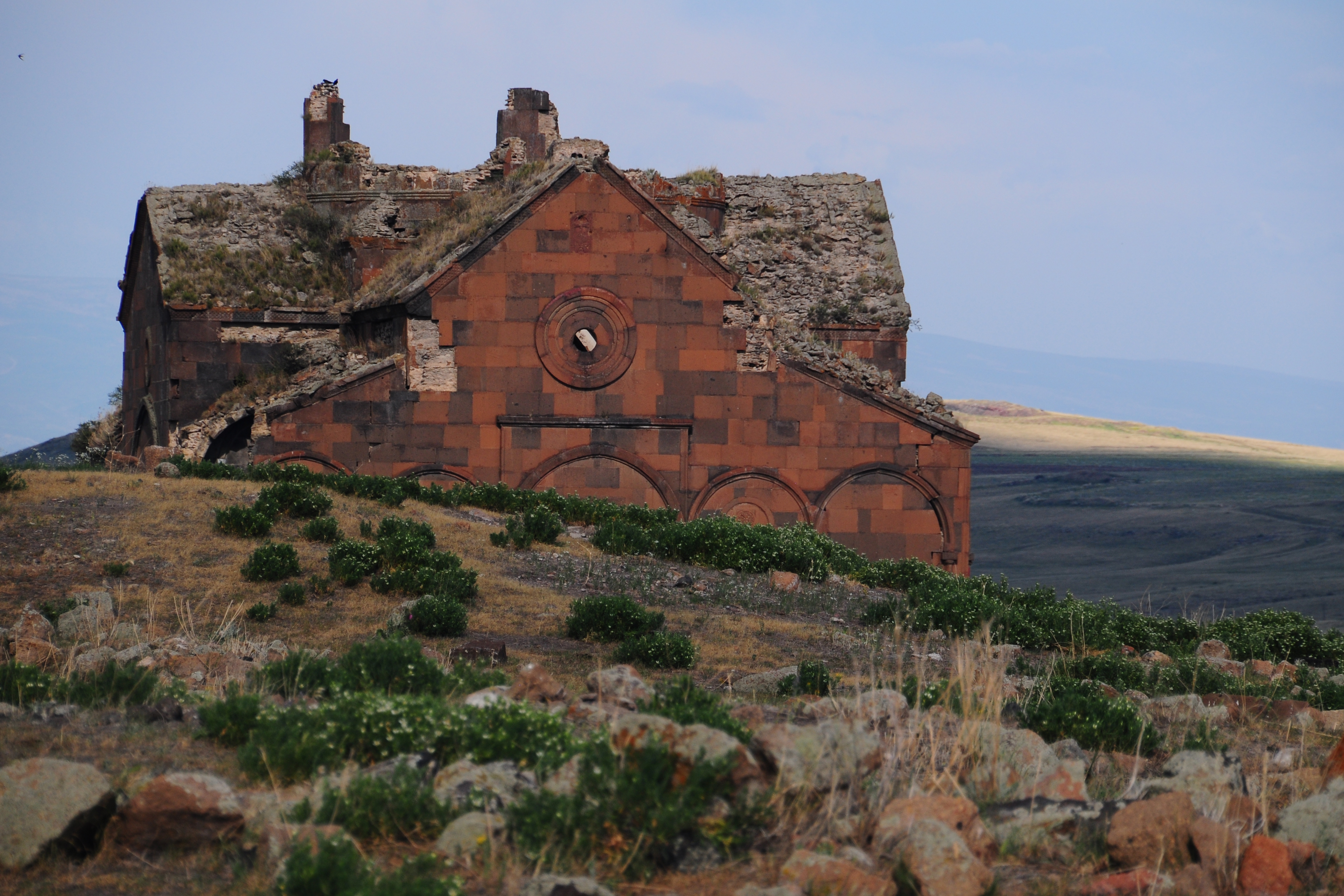
The Church of the Apostles was constructed using local, finely dressed ashlar basalt stone (a dark, dense volcanic rock) [2]. Architecturally, it embodies quintessential characteristics of Armenian church architecture. The building features a centralized plan expanded along right angles by four interior niches [2].
The dome and vaulting system exhibit refined geometric properties [2]:
- The central dome is crowned by a conical roof.
- The niches beneath the dome are semicircular on the interior and polygonal (five-sided) on the exterior facades.
- The apse (the semicircular recess facing the liturgical orientation) is semicircular in form.
- The central space beneath the dome, which encompasses the apse, spans a diameter of exactly 12 meters.
- The central hall is illuminated by eight slender, elongated barrel-vaulted windows.
The entrance arrangement comprises three distinct doorways [2]. The main portal is situated on the western facade, while two secondary entrances open along the southern and northern elevations. The exterior profile and the high drum supporting the dome prominently display the characteristic design vocabulary of Eastern Christian architecture (spanning Byzantine and Armenian ecclesiastical design) [2].
Visiting Notes
The Castle of Kars and the Kümbet Mosque (Church of the Apostles) are prominent cultural heritage landmarks located in the city center of Kars [1, 2].
It is recommended to verify practical visiting details, such as visiting hours, open days, and public transit options, through official channels prior to your trip [1, 2].
References
- [1] Kars Kalesi - Vikipedi: https://tr.wikipedia.org/wiki/Kars_Kalesi
- [2] Kümbet Camii - Vikipedi: https://tr.wikipedia.org/wiki/Havariler_Kilisesi
- [3] KARS KENT BELLEĞİNİN SÜRDÜRÜLEBİLİR OLMASINA YÖNELİK BİR DEĞERLENDİRME: 12 HAVARİLER KİLİSESİ — Elif Atıcı Tektaş (2026, Anadolu Üniversitesi Sanat & Tasarım Dergisi): https://dergipark.org.tr/tr/download/article-file/6003082
Konum
Harita: © OpenStreetMap katkıcıları. Haritada büyüt · Google Haritalar · Apple Haritalar
İşaret yaklaşık konumu gösterir; kesin konum için yerel kaynaklara bakın.
This article is compiled from scholarly monographs and official architectural inventories. Please verify site access conditions, visiting hours, and ongoing conservation status via official heritage authorities prior to visiting.