
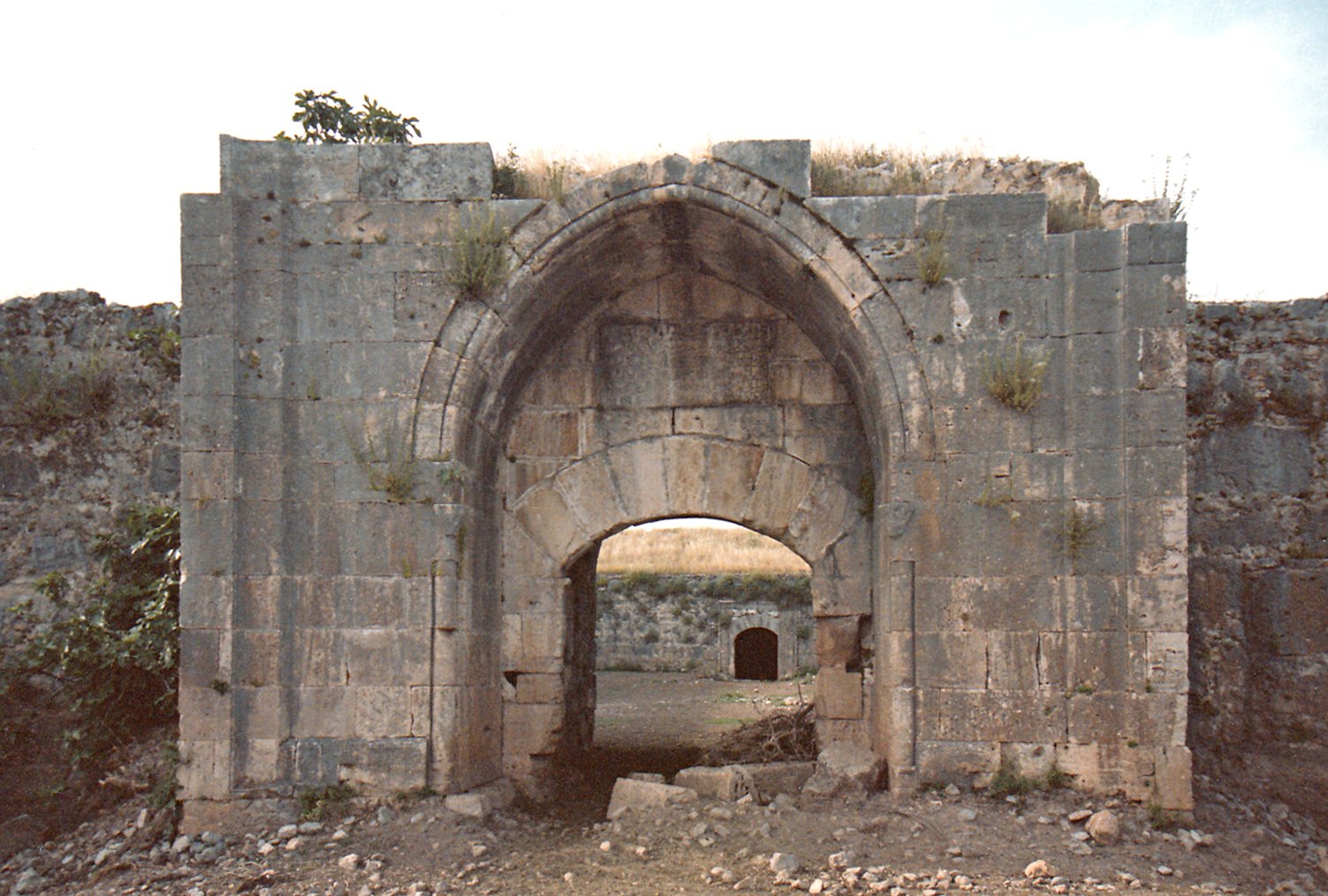
Summary
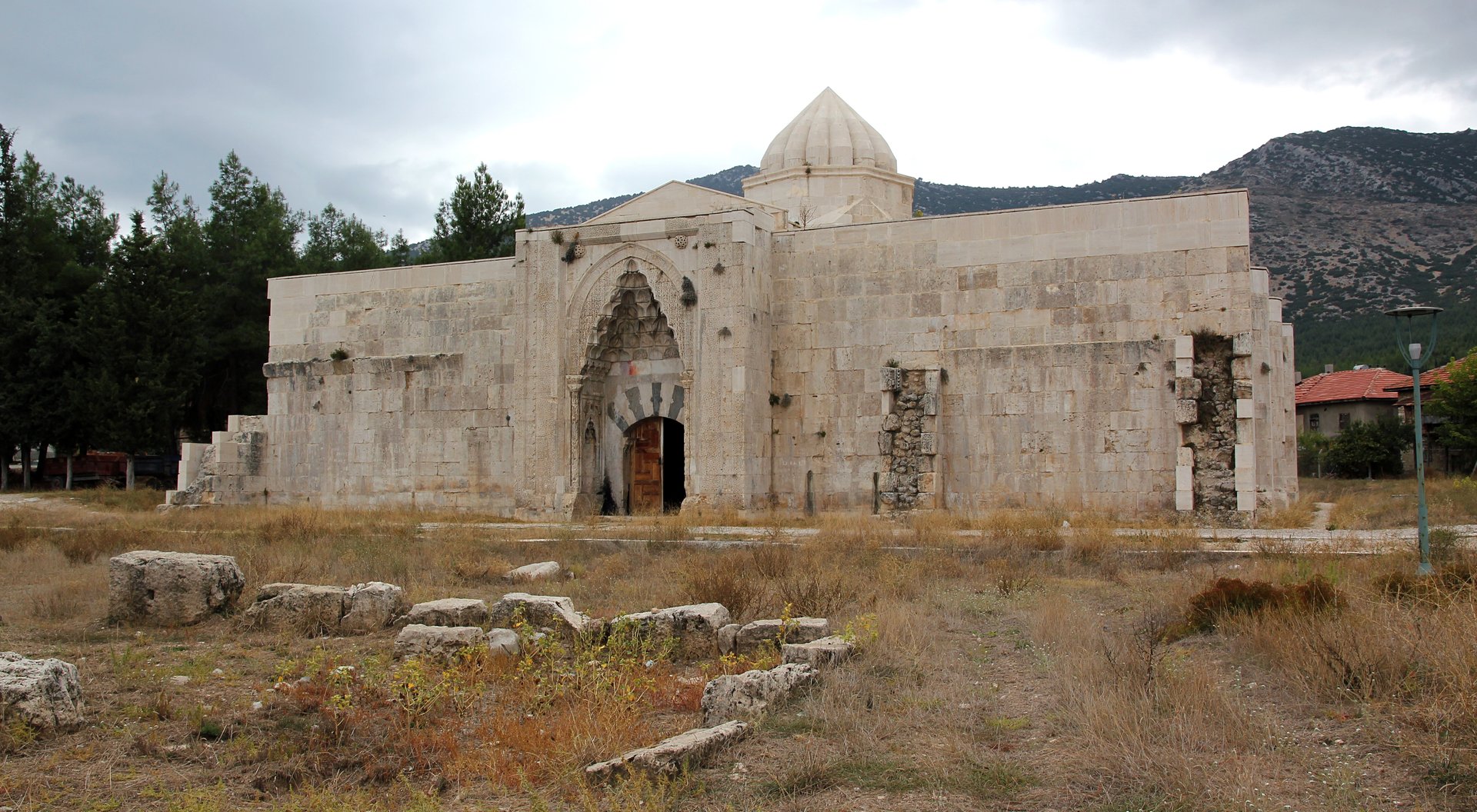
- What is it? One of the most distinguished examples of Seljuk caravanserais, constructed in the early 13th century by Sultan II. Gıyâseddin Keyhusrev of the Anatolian Seljuks, featuring a spacious courtyard with revak (arcaded porticos) and a horizontal rectangular enclosed accommodation hall [1], [2], [3].
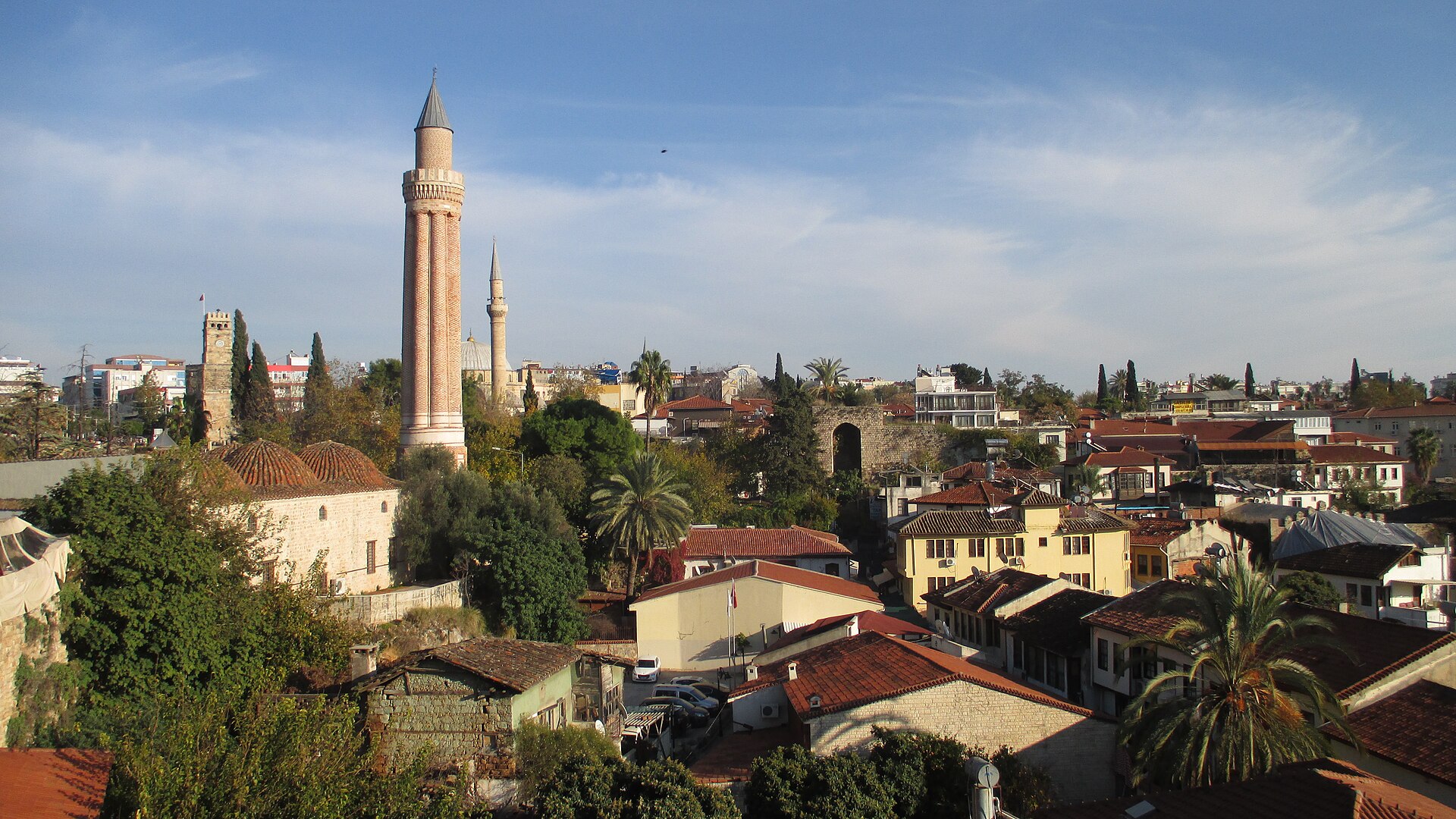
- Where is it located? Situated approximately 30 kilometers northwest of Antalya city center, in the Kırkgöz water source area of Döşemealtı Plain at the entrance to Çubuk Strait [2], [3].
- Architectural Features: Distinguished by one of the longest and most monumental epigraphic façades among Seljuk caravanserais, a horizontal rectangular plan integrating enclosed accommodation with courtyard, and massive ashlar masonry reinforced with spolia from ancient Roman and Byzantine ruins [1], [2].
- Builder and History: According to the five-line marble inscription on the southern façade, it was constructed between 1237-1246 by Sultan II. Gıyâseddin Keyhusrev as a ribat (fortified outpost) [2], [3].
- Current Condition: After archaeological excavations and restoration conducted by the General Directorate of Foundations between 2006-2007, the structure has been reinstated while preserving its original architectural features [2], [3].
Historical and Geographic Context: The Mediterranean Trade Route
The economic and military hegemony established by the Anatolian Seljuk State in the 13th century over the Mediterranean basin necessitated uninterrupted connections between the port city of Antalya and the capital Konya and Central Anatolian trade centers [1], [2]. The Port of Antalya, captured by Sultan I. Gıyâseddin Keyhüsrev in 1207, became the busiest harbor in the Eastern Mediterranean for Venetian and Genoese merchants [2], [3]. To ensure safe passage of spices, silk, and Mediterranean goods over the Taurus Mountains to Central Anatolian plateaus, fortified menzil (caravanserai) stations were established along the route [1], [2].
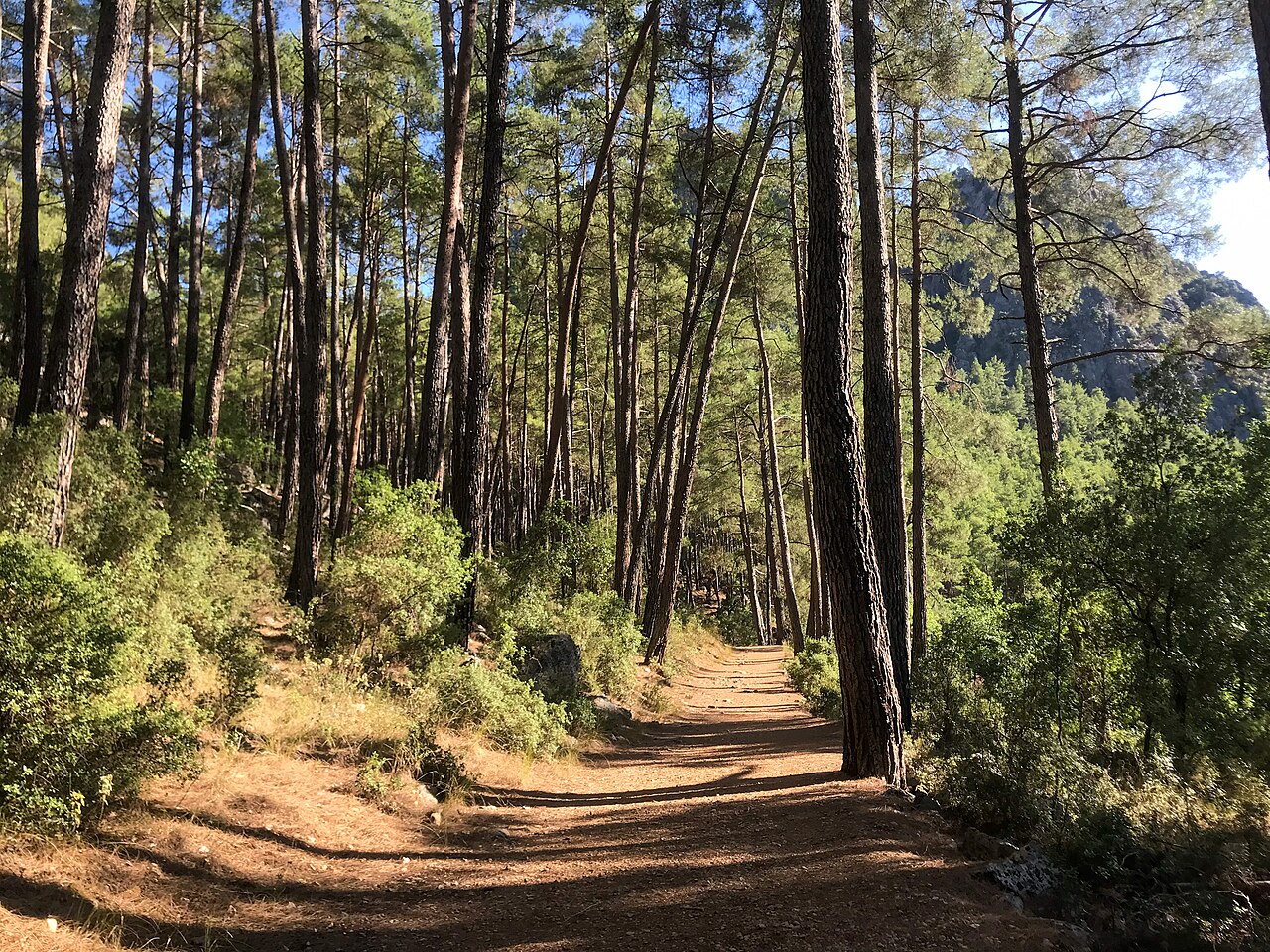
Caravans following the ancient Via Sebaste stone-paved road from Antalya Plain ascending the steep slopes of the Taurus Mountains would reach Kırkgöz Han after the initial menzil at Evdir Han [2], [3]. The Kırkgöz location, with its rich wetland area formed by karstic water sources, served as a critical stop for caravans to replenish water and provisions [3]. Strategically positioned as a logistical hub, the han functioned as a secure outpost prior to the arduous passage through Çubuk Strait, where merchants would consolidate and implement security measures [2], [3].
Builder and Monumental Inscription: Sultan II. Gıyâseddin Keyhusrev
Kırkgöz Han was constructed during the reign of Sultan II. Gıyâseddin Keyhusrev (1237-1246), who succeeded his father I. Alâeddin Keykubad [1], [2]. During Sultan Keyhusrev’s rule, strategic menzil stations along the Mediterranean route—including Eğirdir Sultan Han, İncir Han, and Kırkgöz Han—were completed to guarantee caravan security [1], [2].
The five-line inscription carved in white marble on the southern façade is among the longest and most literary epigraphic texts in Seljuk caravanserai architecture [2], [3]. The text, inscribed in sülüs script as a relief, extols Sultan Keyhusrev with titles such as “es-Sultânü’l-muazzam, şehinşâhü’l-a’zam, mâlikü rikâbi’l-ümem, sultân-ı selâtîni’l-âlem, zıllullâhi fi’l-arzeyn, tâcü’l-ûlâ, Keyhusrev bin Keykubad” [2]. The direct reference to the structure as a ribat (fortified outpost) in the inscription confirms its dual function not only as a civilian caravanserai but also as a military and strategic Seljuk fortress ensuring border security and caravan safety [1], [2].
Architectural Typology: Horizontal Rectangular Hall and Revak Courtyard
While the general typology of Anatolian Seljuk caravanserais typically features a three-nave enclosed hall (winter accommodation) preceded by a courtyard, Kırkgöz Han represents an exceptional deviation from this schema [1], [2]. As emphasized by Rahmi Hüseyin Ünal’s architectural classification, the han is one of the rare examples where a horizontal rectangular enclosed section merges with a spacious revak (arcaded portico)-fronted courtyard [1].
The structure occupies an approximate area of 33 x 51 meters [2]. Access to the expansive courtyard is gained through the projecting façade with its monumental taçkapı (central portal) on the southern side [2], [3]. Along the eastern and western wings of the courtyard, five-arched revaks provide shelter for caravans’ camels and cargo [1], [2]. Behind these revaks are arranged small rooms with hearths for merchants’ lodging and service spaces [2]. On either side of the main axis and at the ends of the hall, independent vaulted chambers replace the revaks; this plan closely resembles that of I. İzzeddin Keykâvus’s Evdir Han [1].
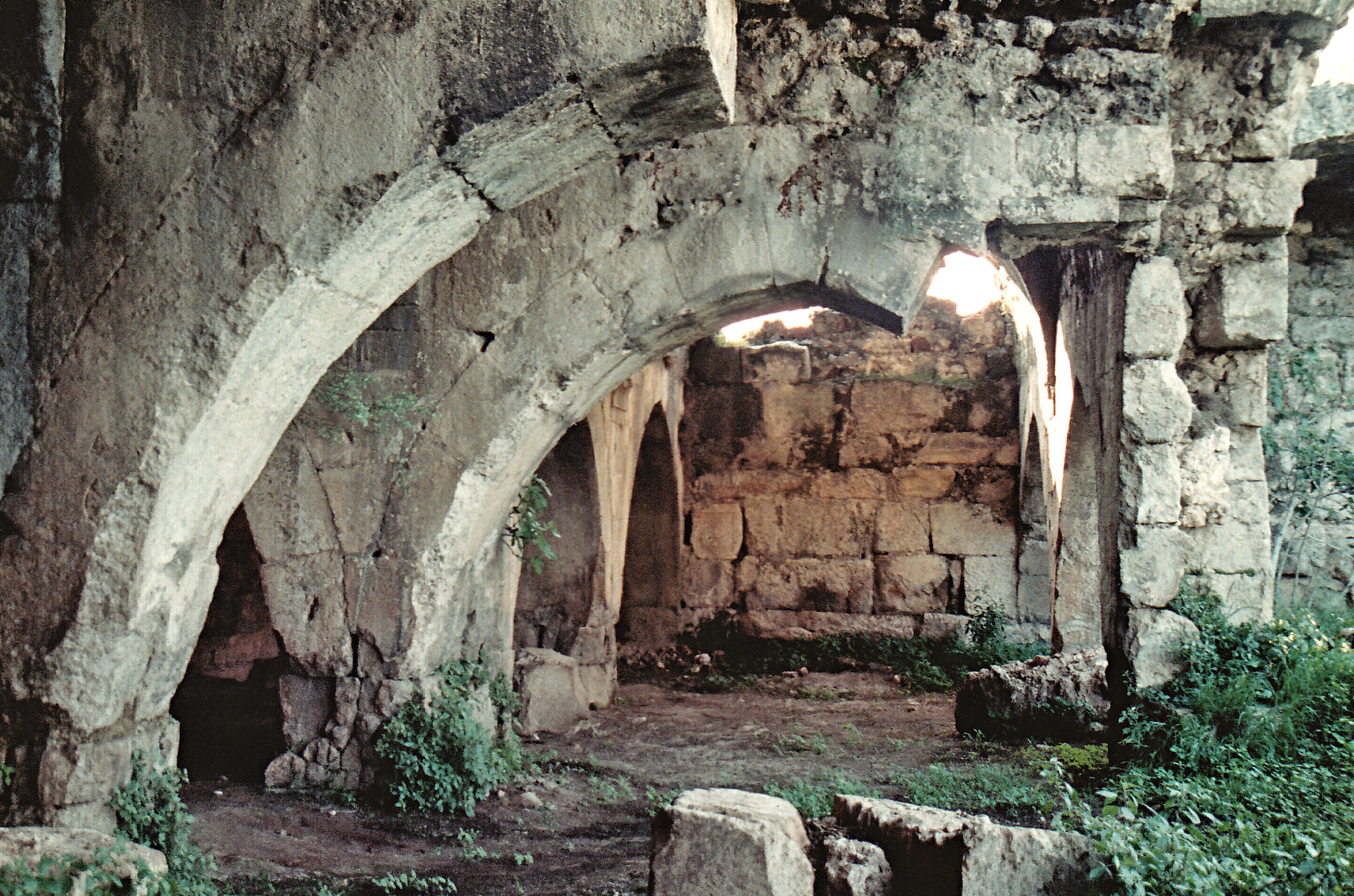
The enclosed winter accommodation section located at the northern end of the courtyard serves as a protected space for caravans during cold seasons [1], [2]. This horizontal rectangular hall, extending parallel to the courtyard, is covered with pointed barrel vaults resting on massive piers [1], [2]. The narrow and high mazgal windows (slit-like openings) were designed to prevent wind and cold infiltration during winter months [2]. Archaeological excavations between 2006-2007 revealed kiln remnants, hamam (bathhouse) remains, and kitchen units designated for caravanserai staff within the courtyard [2], [3].
Materials, Stone Craftsmanship, and Defensive Architecture
The construction of Kırkgöz Han utilized both meticulously cut local limestone ashlar blocks and architectural elements salvaged from nearby Roman and Byzantine ruins [2], [3]. The large spolia blocks visible in the lower courses of exterior walls and corner towers provided substantial structural stability to the foundation [2].
The façades are enclosed by high, solid stone walls reminiscent of fortress architecture [2]. Polygonal bastions (payandalar) placed at corners and midpoints of long walls transformed the structure into an impenetrable citadel against external attacks [1], [2]. The taçkapı niche reflects Seljuk classicism through its simple yet monumental reliefs; the marble inscription above the portal arch adds a sculptural weight to the façade [2], [3].
Functional Life, Restoration, and Contemporary Legacy
In accordance with Seljuk waqf (endowment) principles, Kırkgöz Han provided free lodging, meals, fodder for animals, and blacksmith services for three days to all local and foreign merchants without regard to religion, language, or ethnicity [1], [2]. Sick travelers were examined by the han physician, and injured pack animals received treatment [1], [3].
During the Ottoman period, as caravan routes shifted and maritime trade gained prominence, the han fell into disuse; portions of its vaulted ceilings and revak structures partially collapsed [2], [3]. Following a comprehensive excavation and conservation project initiated in 2006, original stone pavements, drainage channels, and vault systems buried beneath debris were uncovered and restored to their original form [2], [3]. Today, Kırkgöz Han functions as one of Antalya’s most prestigious open-air museums showcasing the Seljuk trade heritage, preserving its status as the monumental gateway where the Mediterranean opens into the interior plateau [1], [2], [3].
References
- [1] Rahmi Hüseyin Ünal, “Kervansaray,” TDV İslâm Ansiklopedisi, vol. 25, pp. 299-306, 2002. https://islamansiklopedisi.org.tr/kervansaray
- [2] Ali Boran, Zeliha Kayahan, “A Critical Assessment of Kırkgöz Han,” Akademik Hassasiyetler, vol. 6, no. 12, pp. 115-135, 2019. https://dergipark.org.tr/tr/pub/akademik-hassasiyetler/article/627845
- [3] T.C. Döşemealtı Kaymakamlığı, “Tarihin Sessiz Tanığı: Kırkgöz Han,” Kurumsal Kültür Envanteri, 2024. https://www.dosemealti.gov.tr/tarihin-sessiz-tanigi-kirkgoz-han
Konum
Harita: © OpenStreetMap katkıcıları. Haritada büyüt · Google Haritalar · Apple Haritalar
İşaret yaklaşık konumu gösterir; kesin konum için yerel kaynaklara bakın.
This article is compiled from scholarly monographs and official architectural inventories. Please verify site access conditions, visiting hours, and ongoing conservation status via official heritage authorities prior to visiting.