

Ottoman Empire
Multi-domed grand mosques, urban caravanserais, covered bazaars (bedesten), and monumental stone bridges across Bursa, Edirne, and Istanbul.
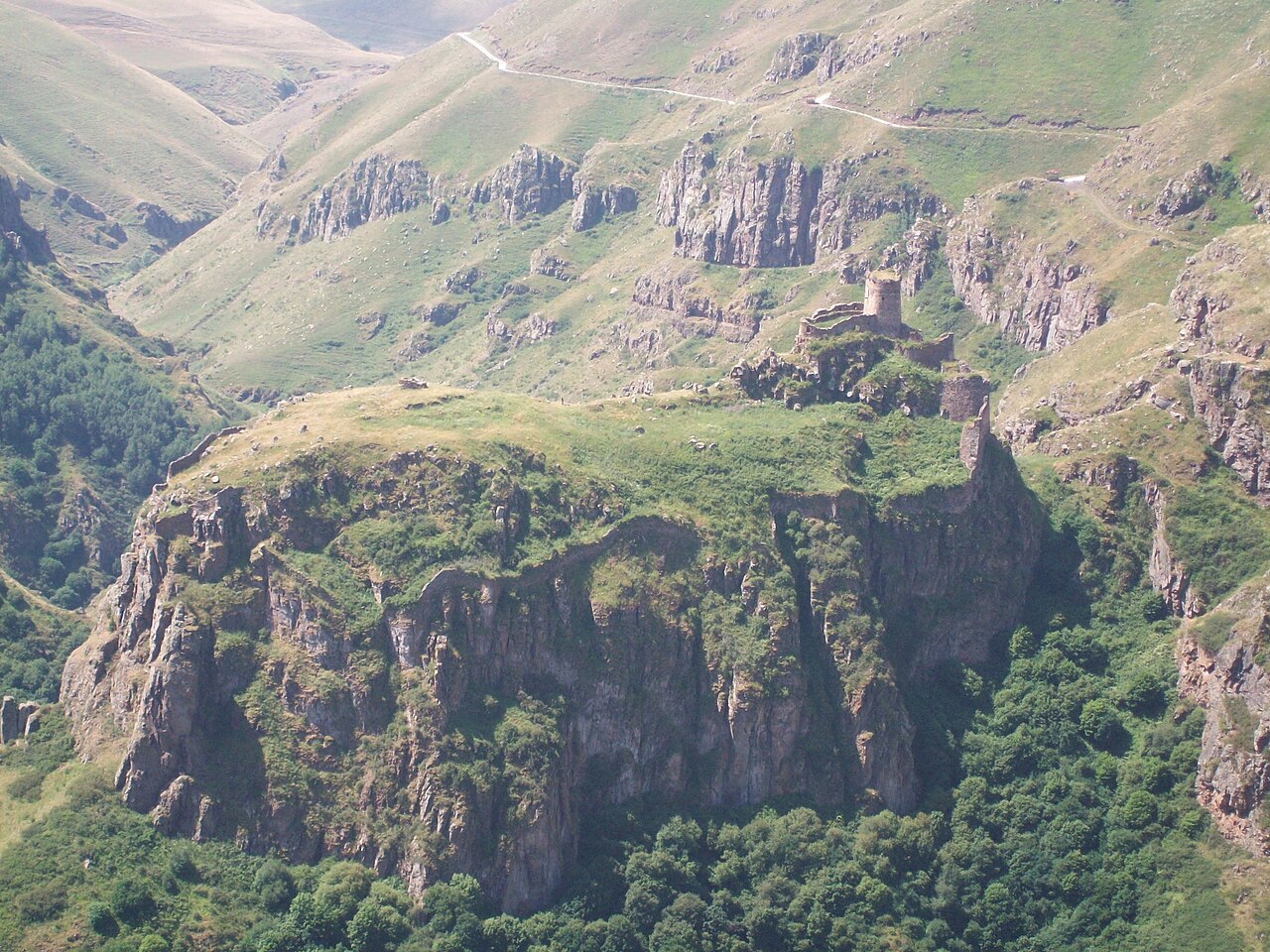
Devil's Castle: Medieval Fortress of Çıldır
Devil's Castle, a medieval fortress in Çıldır, Ardahan, rises on a rocky peninsula in Karaçay Valley, showcasing Turkey's historic defensive architecture.
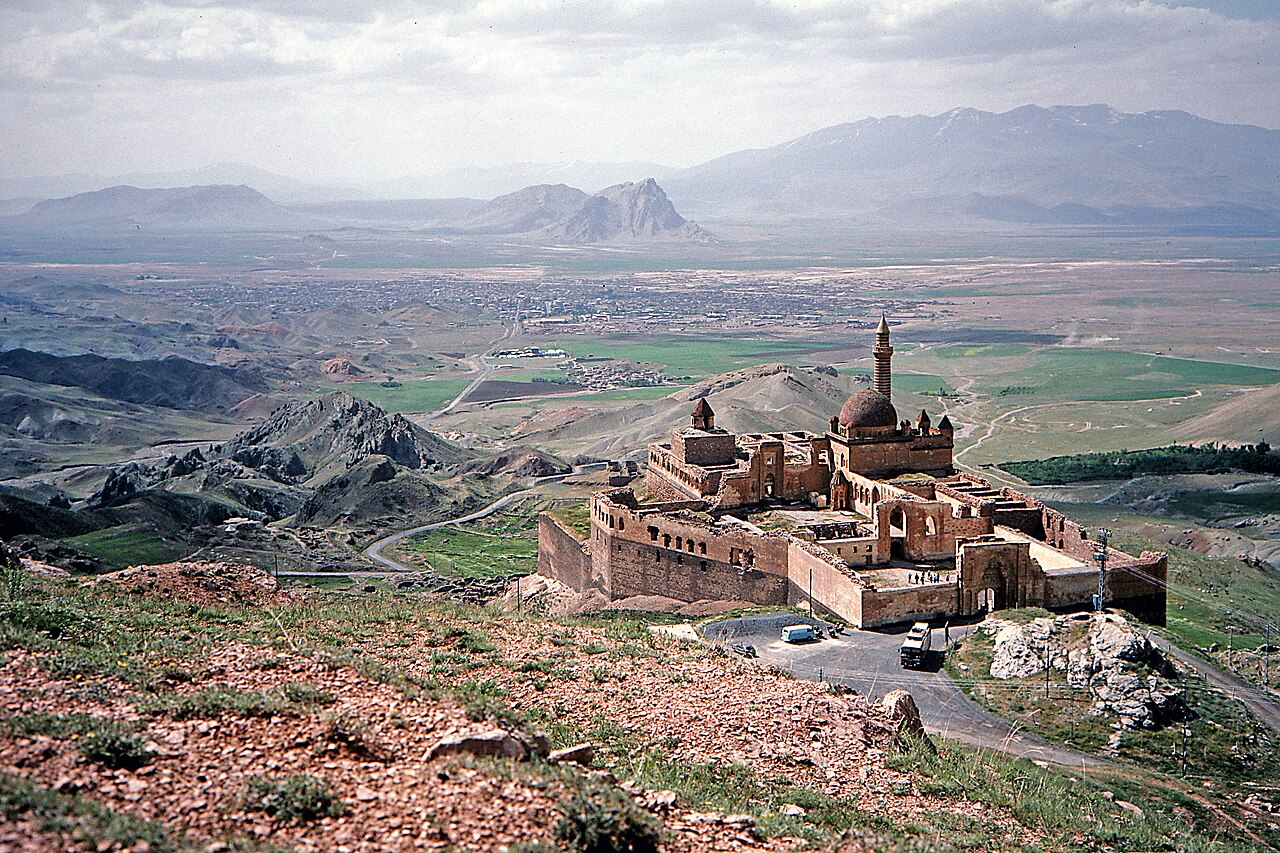
Ishak Pasha Palace: A Rising Stone Complex in Doğubayazıt
Ishak Pasha Palace in Doğubayazıt, Ağrı, blends architectural styles into a stone complex on UNESCO’s Tentative List, reflecting the region’s heritage.
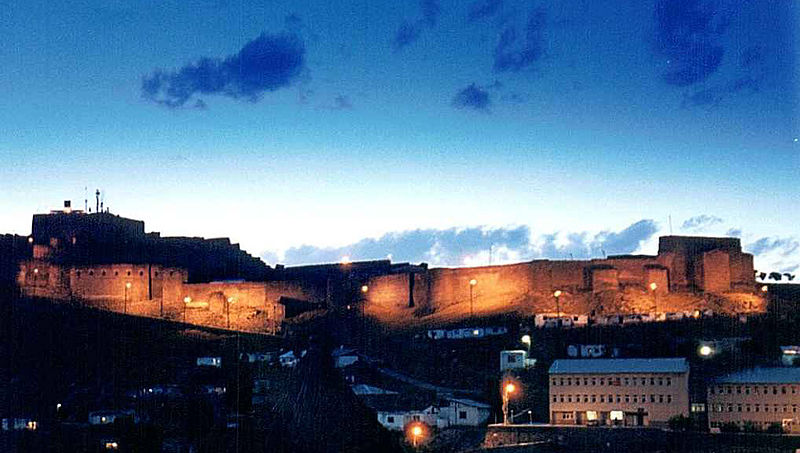
Kars Castle and Havariler Church: Historic Pillars of Central Kars
Kars Castle and the Havariler Church, located in the heart of Kars, showcase the city’s medieval military and religious heritage, linking past to present.
Bursa: From Prusa to the Early Ottoman Capital – A Cultural Heritage Journey
Bursa, founded as Prusa, became the capital of the Bithynian Kingdom and Ottoman Empire, preserving a cultural heritage from Uludağ foothills to the valley.
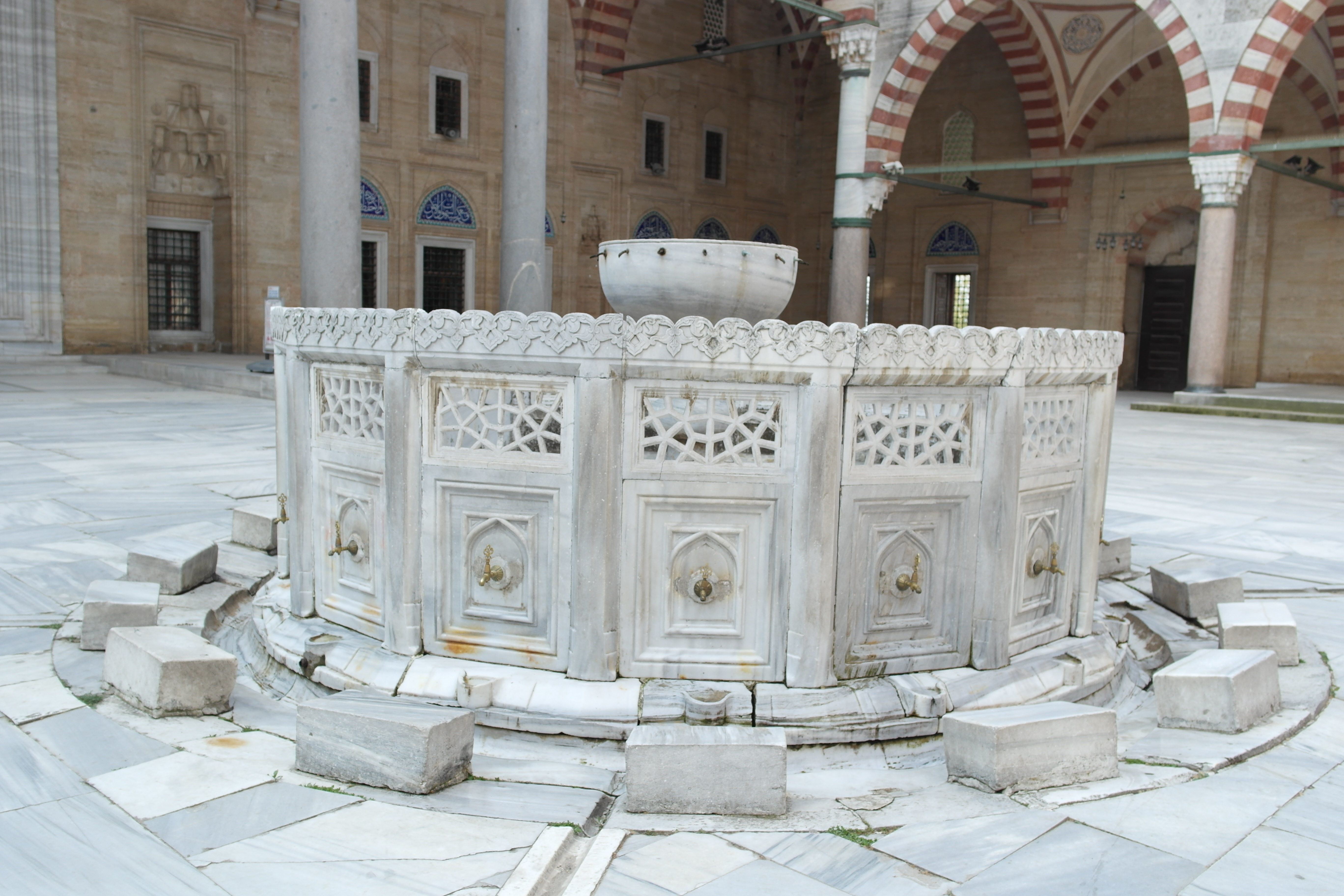
Selimiye Mosque and Complex: The Pinnacle of Classical Ottoman Architecture
Selimiye Mosque, a masterpiece by Mimar Sinan, exemplifies Ottoman classical architecture with its grand dome, elegant minarets, and schools, market, and library.
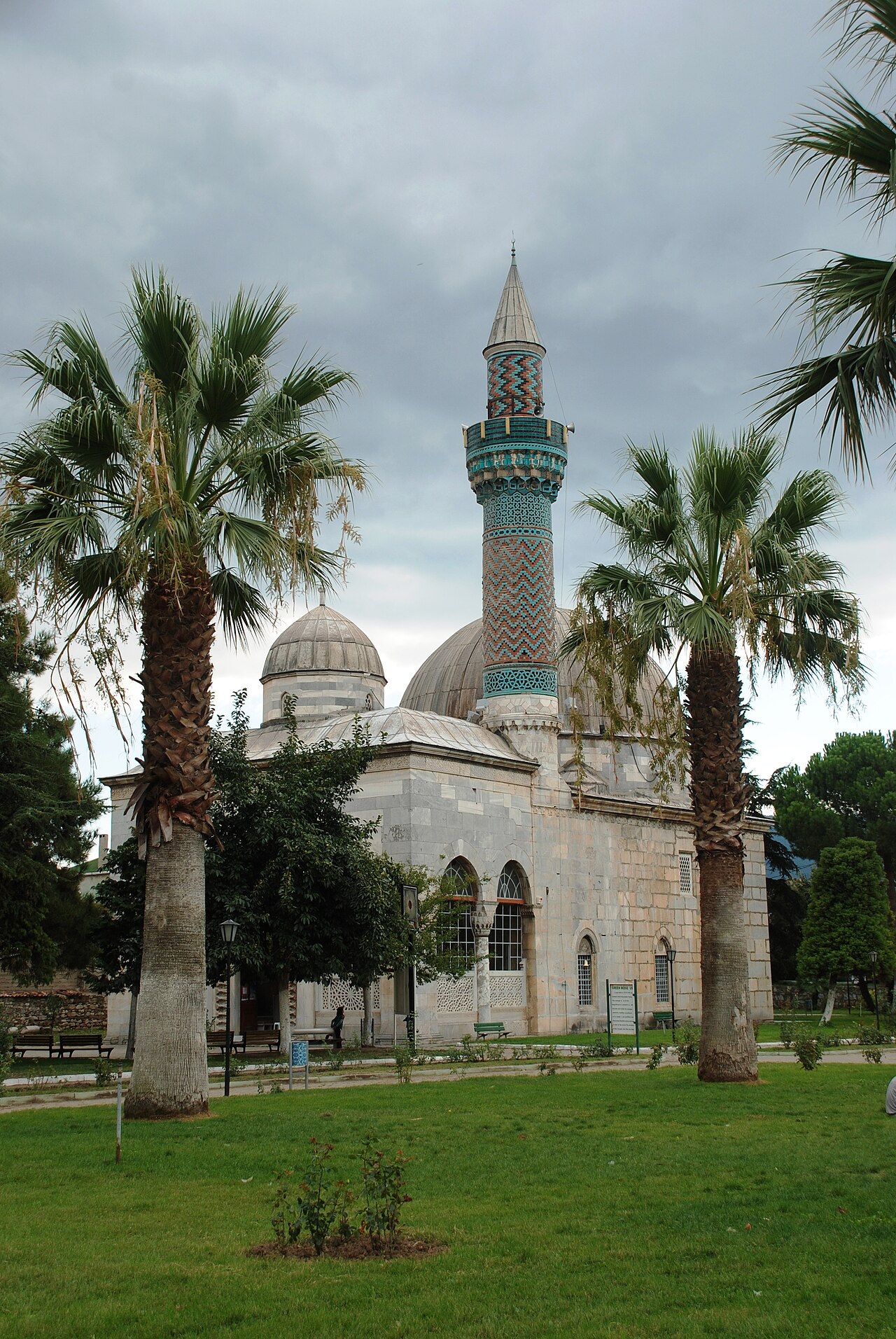
Iznik Green Mosque: Early Ottoman Heritage
The Green Mosque in Iznik, Bursa, features minaret decorations, Seljuk architectural traces, stone craftsmanship, and tile art, exemplifying early Ottoman design.
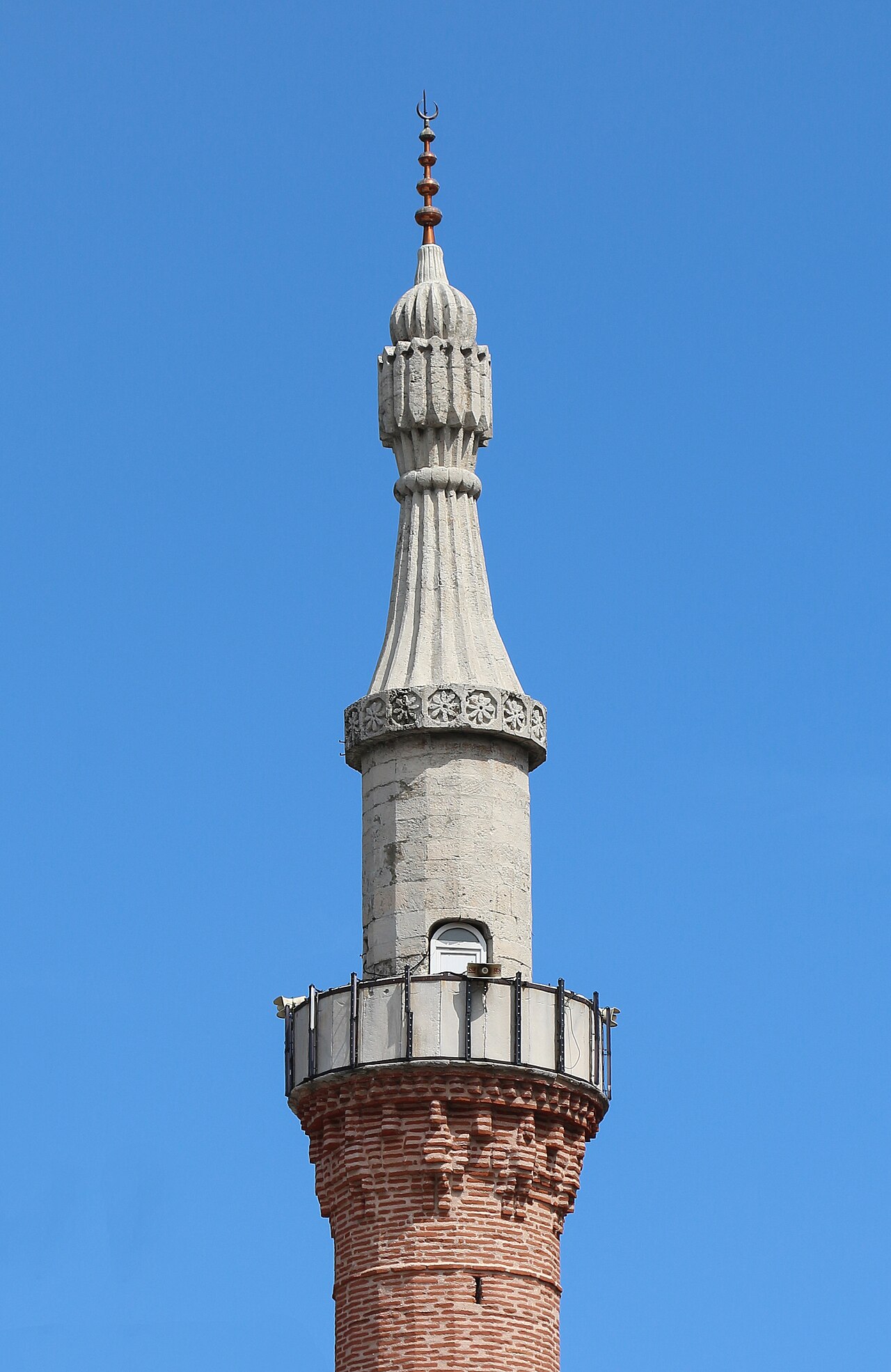
Bursa's Green Mosque: A Testament of Early Ottoman Architecture
Bursa's Green Mosque, an early Ottoman masterpiece, showcases a functional zaviye and administrative design, adorned with rich stone, ceramic, and wood carvings.
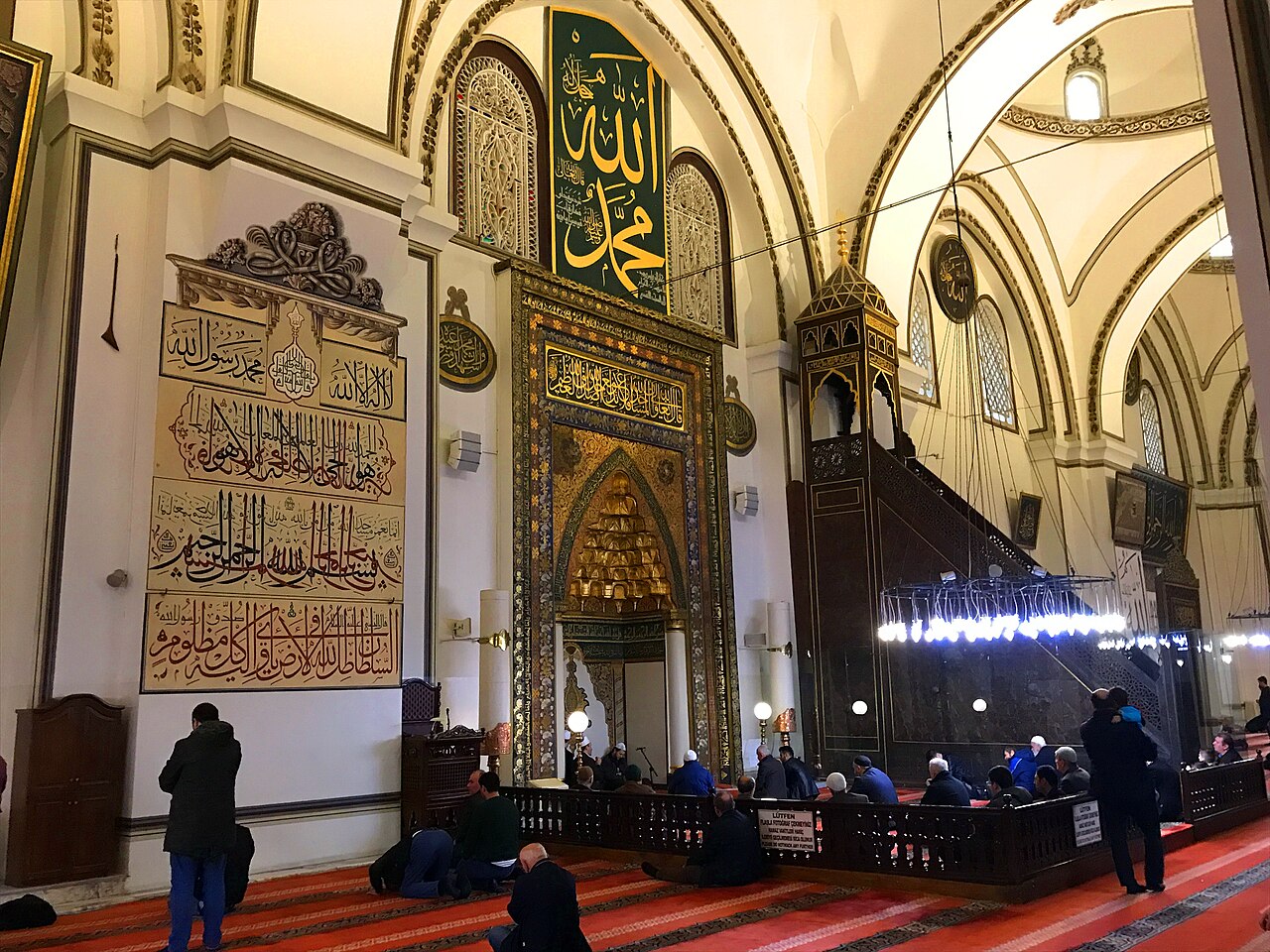
Bursa Grand Mosque: A Testament of Early Ottoman Architecture
Bursa Grand Mosque stands as a prime example of early Ottoman architecture, featuring a 1399 minbar, calligraphic doors, and ornate decorations in Bursa.
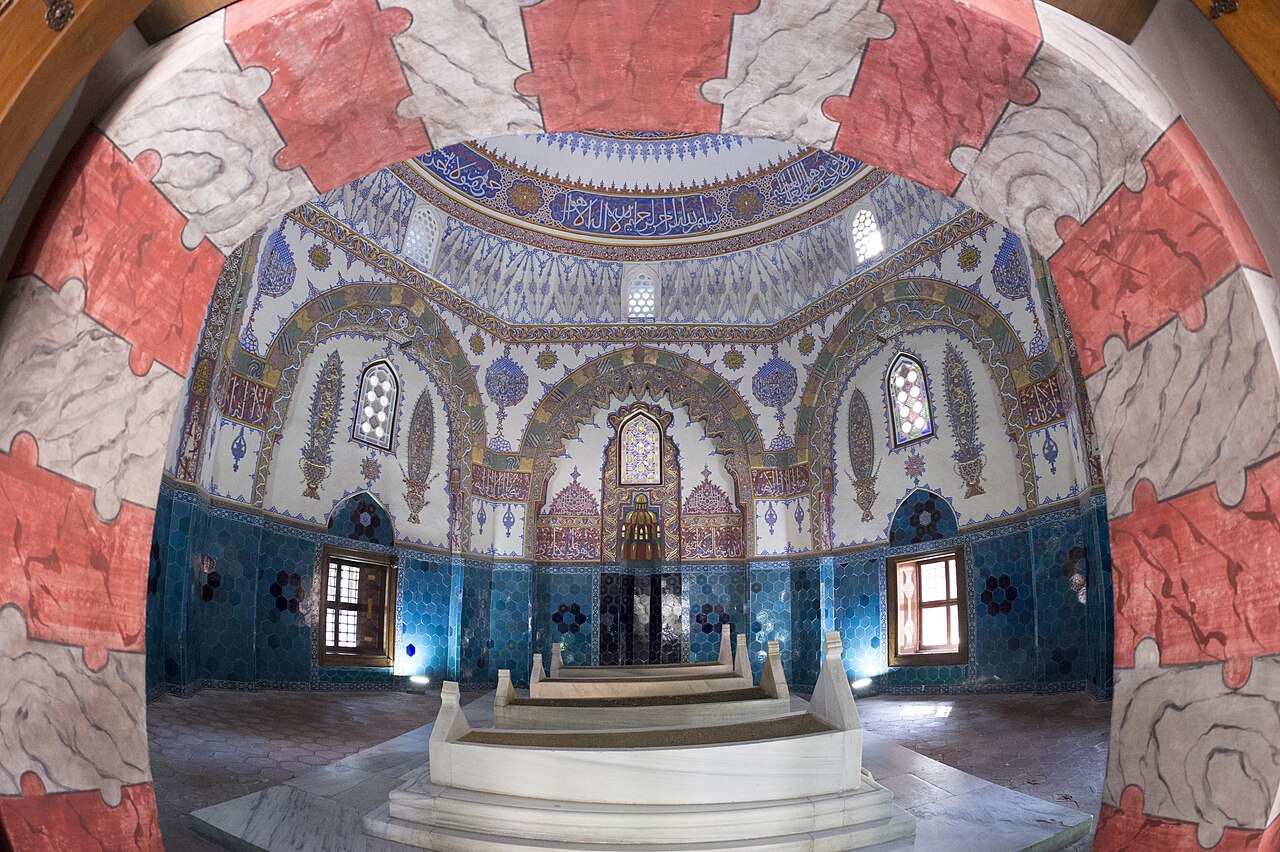
Cem Sultan Tomb in Bursa
The hexagonal lapis lazuli tiles, gold-gilded calligraphic panels, almond-shaped dome transition, and melancholic prince history of Cem Sultan Tomb within the Muradiye Complex.
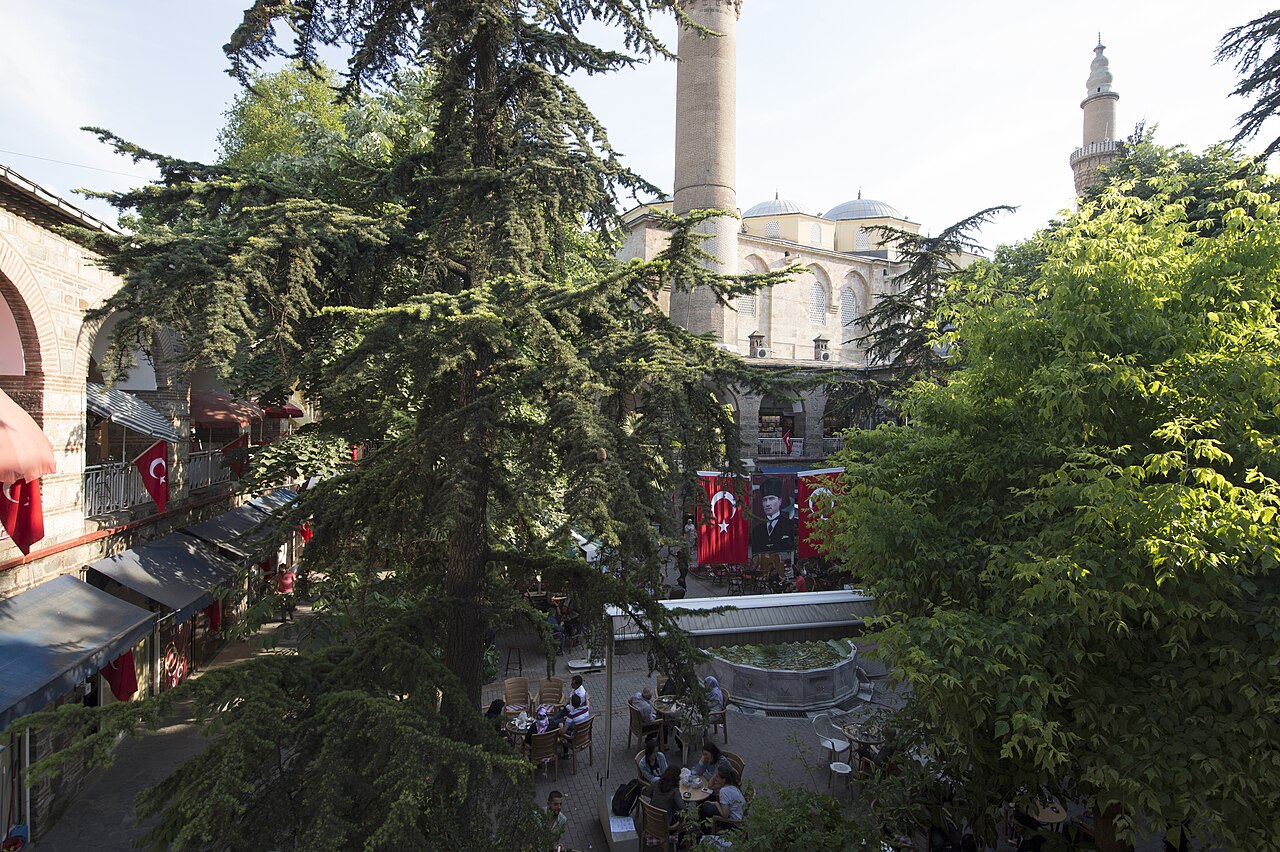
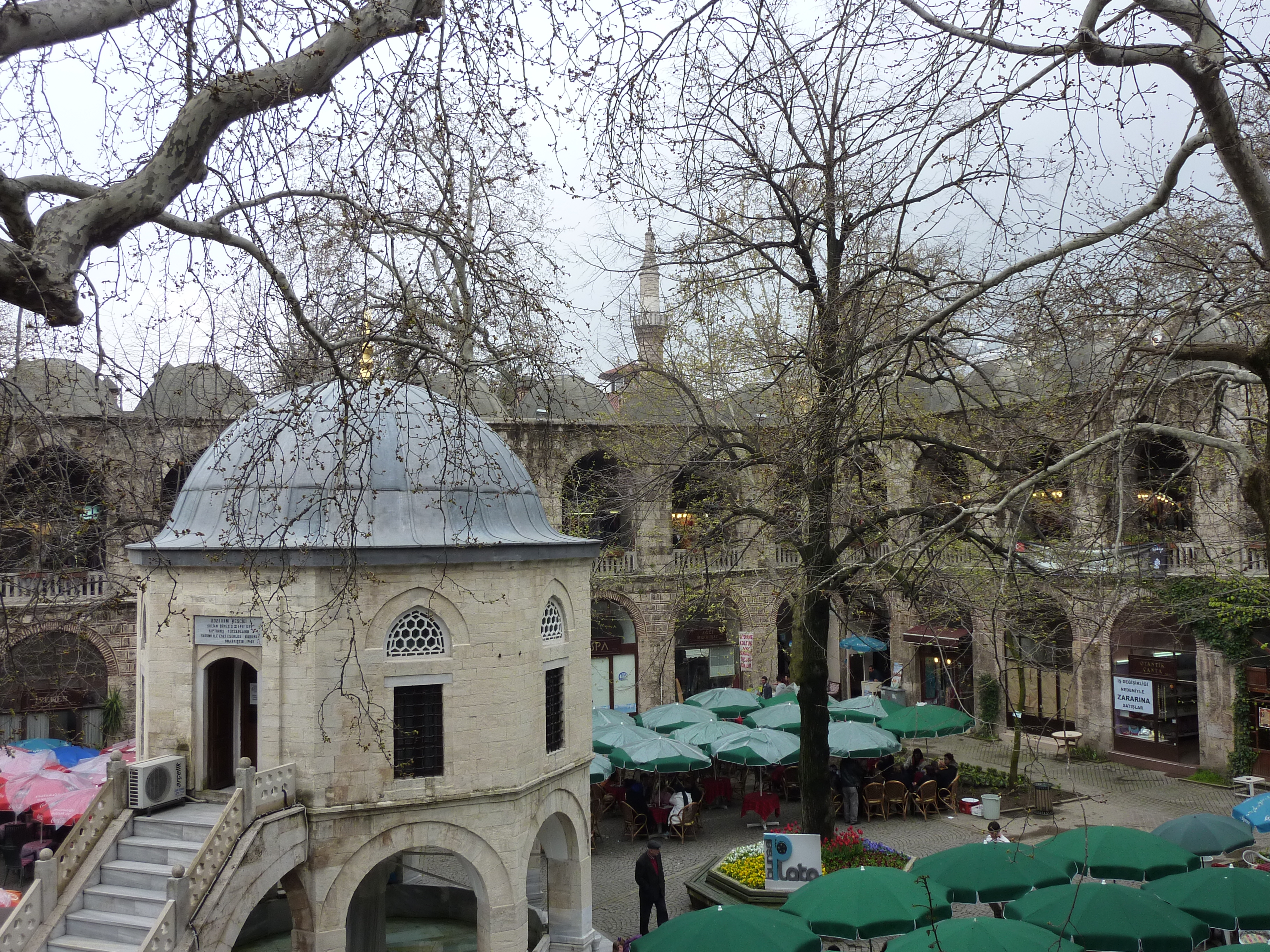
Bursa Koza Han
A two-storey urban caravanserai with an arcaded courtyard, central octagonal elevated kiosk mosque, and marble şadırvan fountain court, constructed under Sultan II. Bayezid in 1491.
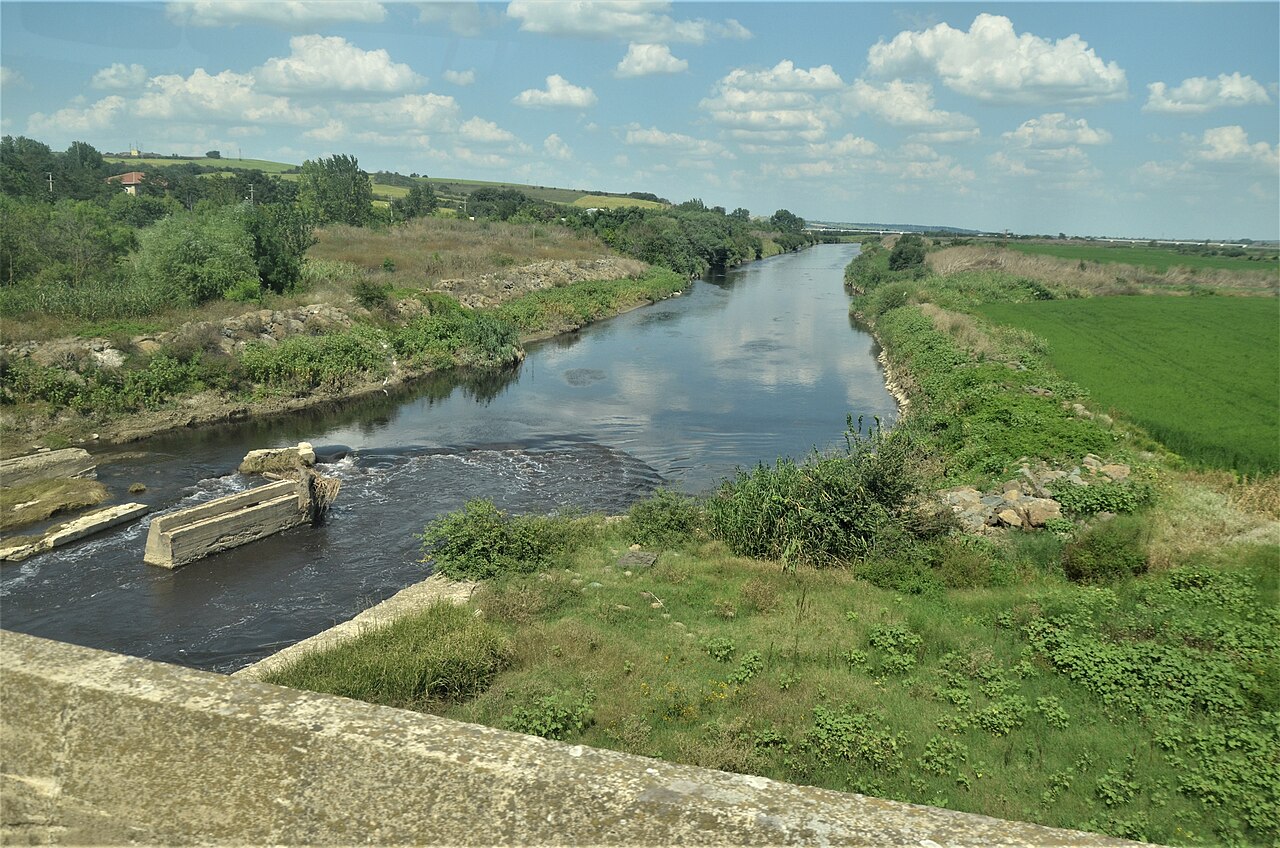
Uzunköprü (The Long Bridge of Ergene)
A 174-arched early Ottoman stone bridge constructed over the Ergene River during the reign of Sultan II. Murad (1426–1443), featuring triangular cutwaters, flood arches, and figural stone reliefs.
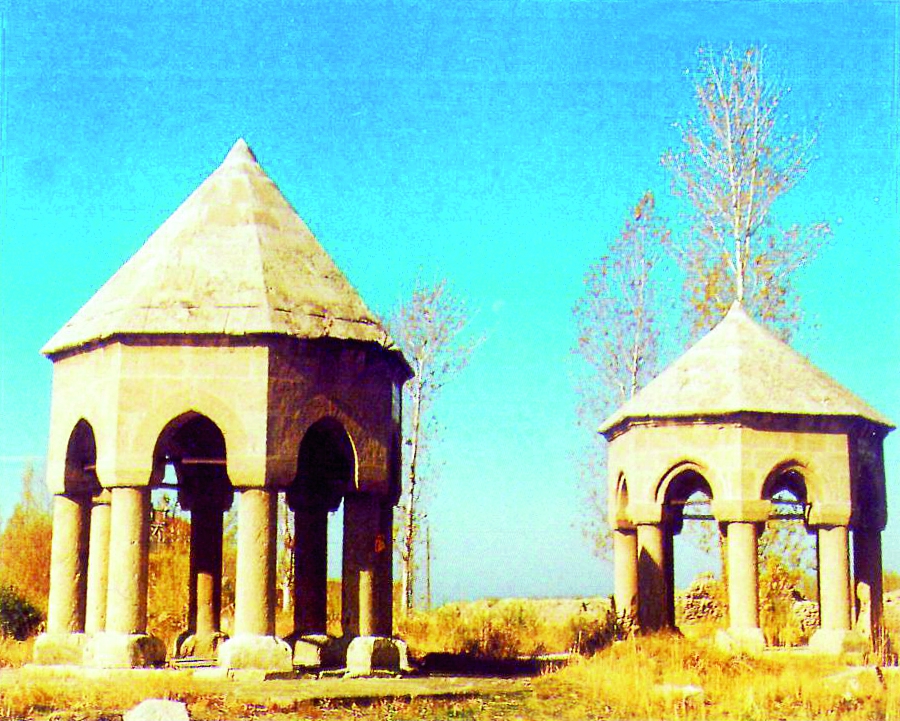
The Twin Mausoleums of Old Van: The Eight-Columned Baldachin Monuments of Orta Kapı Cemetery
Outside the walls of Old Van, the 18th-century endowment of the Orta Kapı Cemetery houses the Twin Mausoleums, representing the sole surviving example in Van of late Ottoman funerary architecture. These structures feature eight freestanding columns supporting pointed barrel vaults, pyramidal domes, and an open baldachin design.