

Sub-regions
-
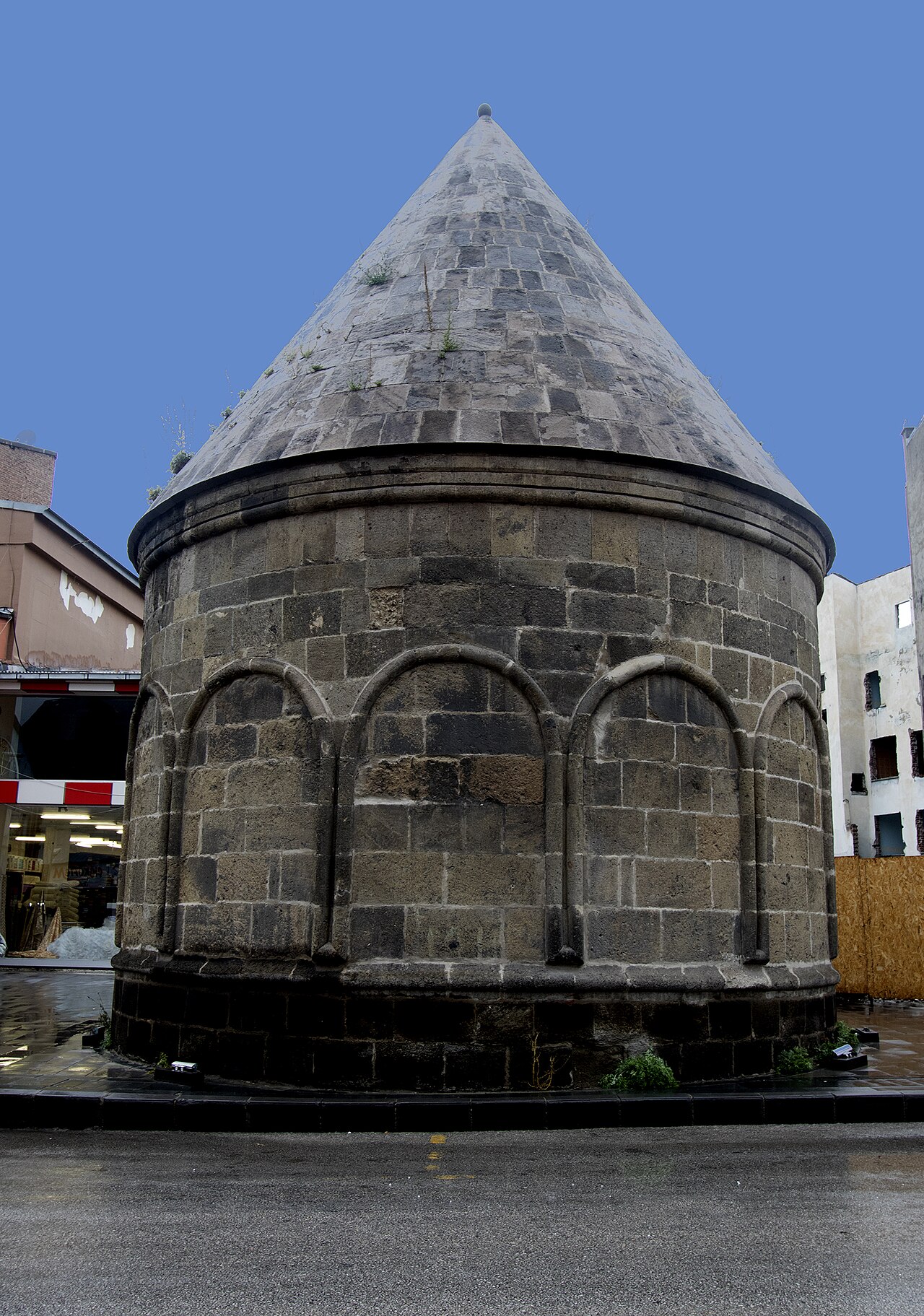 Yakutiye, Erzurum, TurkeyCimcime Hatun Tomb: A Cylindrical Monumental Mausoleum of Melike Çiçak Hatun
The Cimcime Hatun Tomb, constructed in 1304 on Cumhuriyet Street in Erzurum, is a refined example of Ilkhanid monumental funerary architecture, characterized by its cylindrical body, twelve blind arches, the 2011-discovered crypt chamber, and the Melike Çiçak Hatun inscription.
-
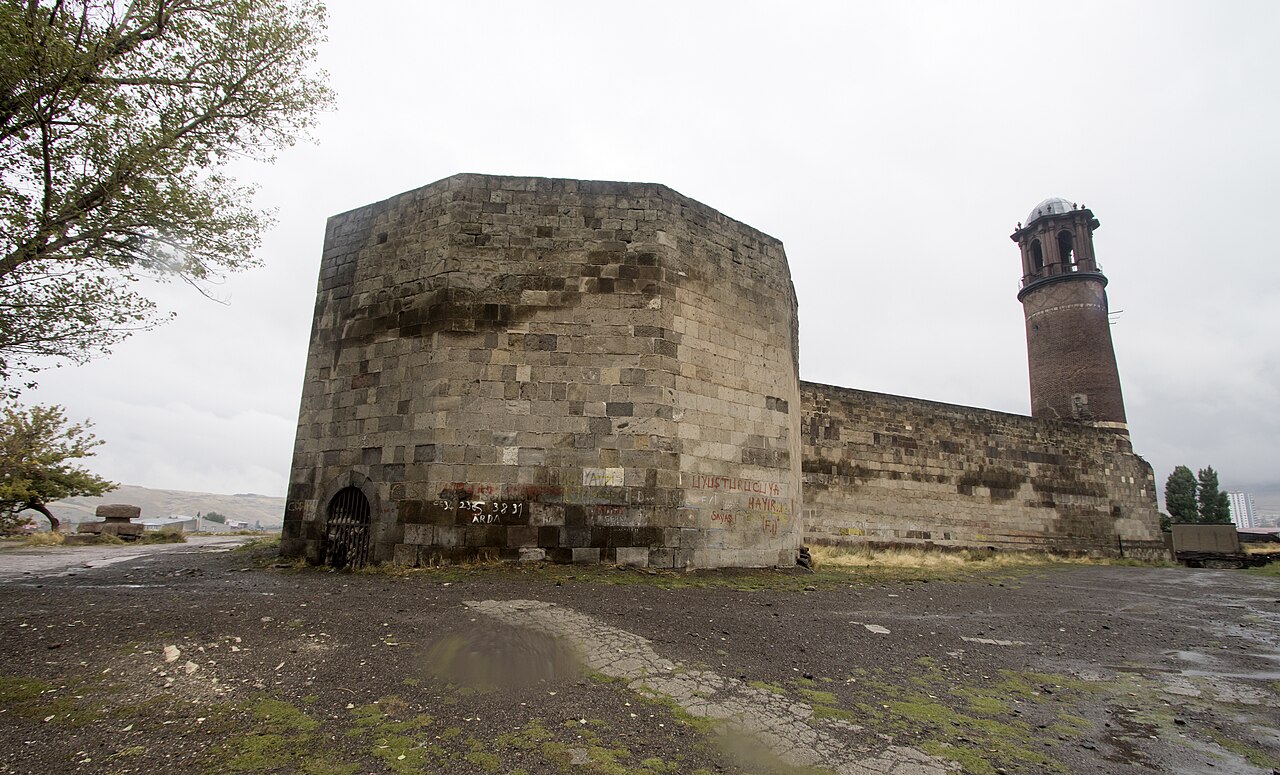 Yakutiye, Erzurum, TurkeyErzurum Castle and Clock Tower: A Historical Architecture Guide
Erzurum Castle, home to the historic Clock Tower, stands in Yakutiye district. Dating back to the 5th century, it is the city's oldest cultural monument.
-
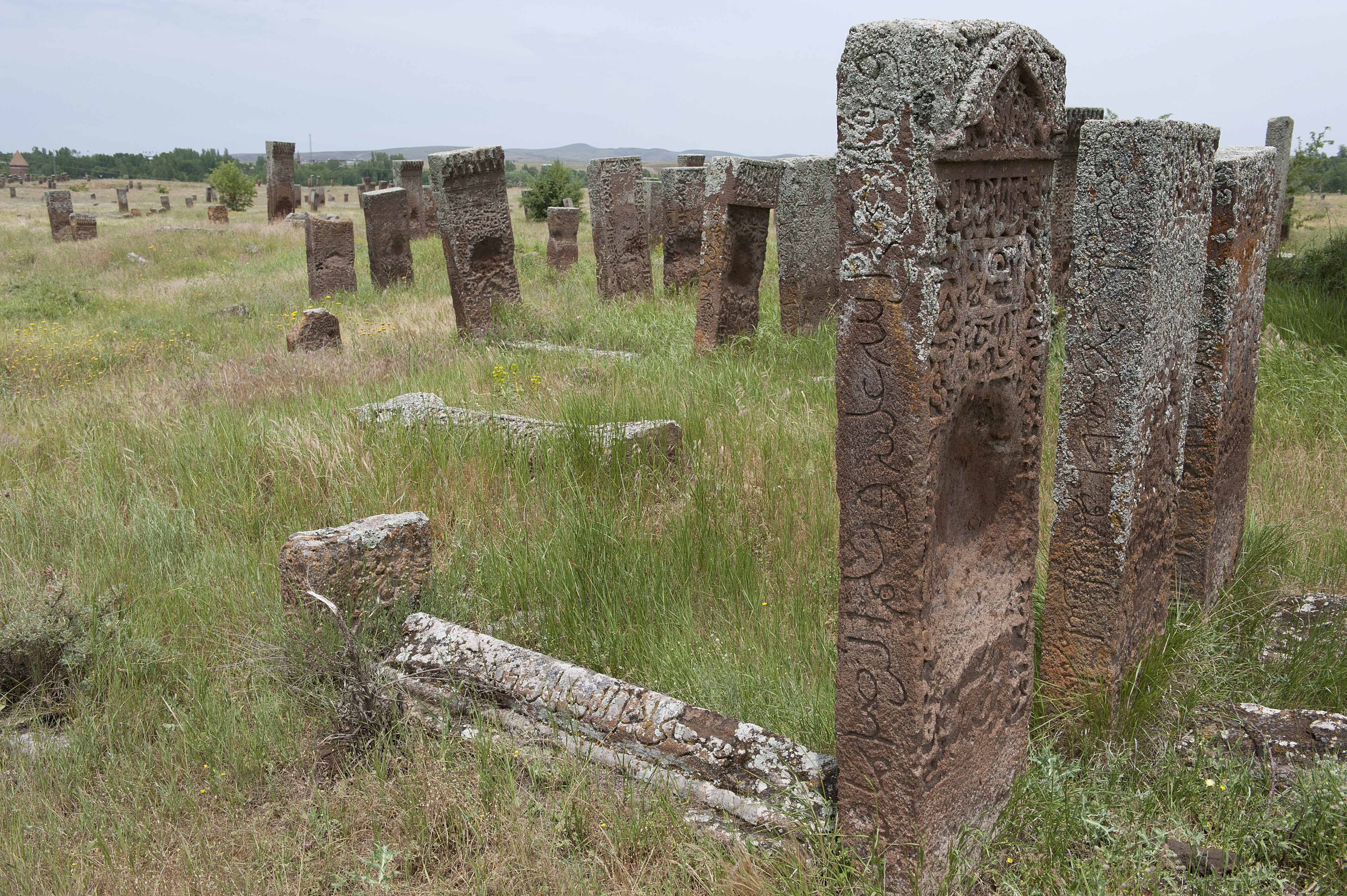 Erzurum, TurkeyErzurum, Ahlat, and Van Madrasa and Tomb Corridor: Towers of Stone and Faith
A cultural corridor in Eastern Anatolia spanning from the monumental Seljuk and Ilkhanid madrasas on the slopes of Palandöken to the iconic tomb towers in the Lake Van basin.
-
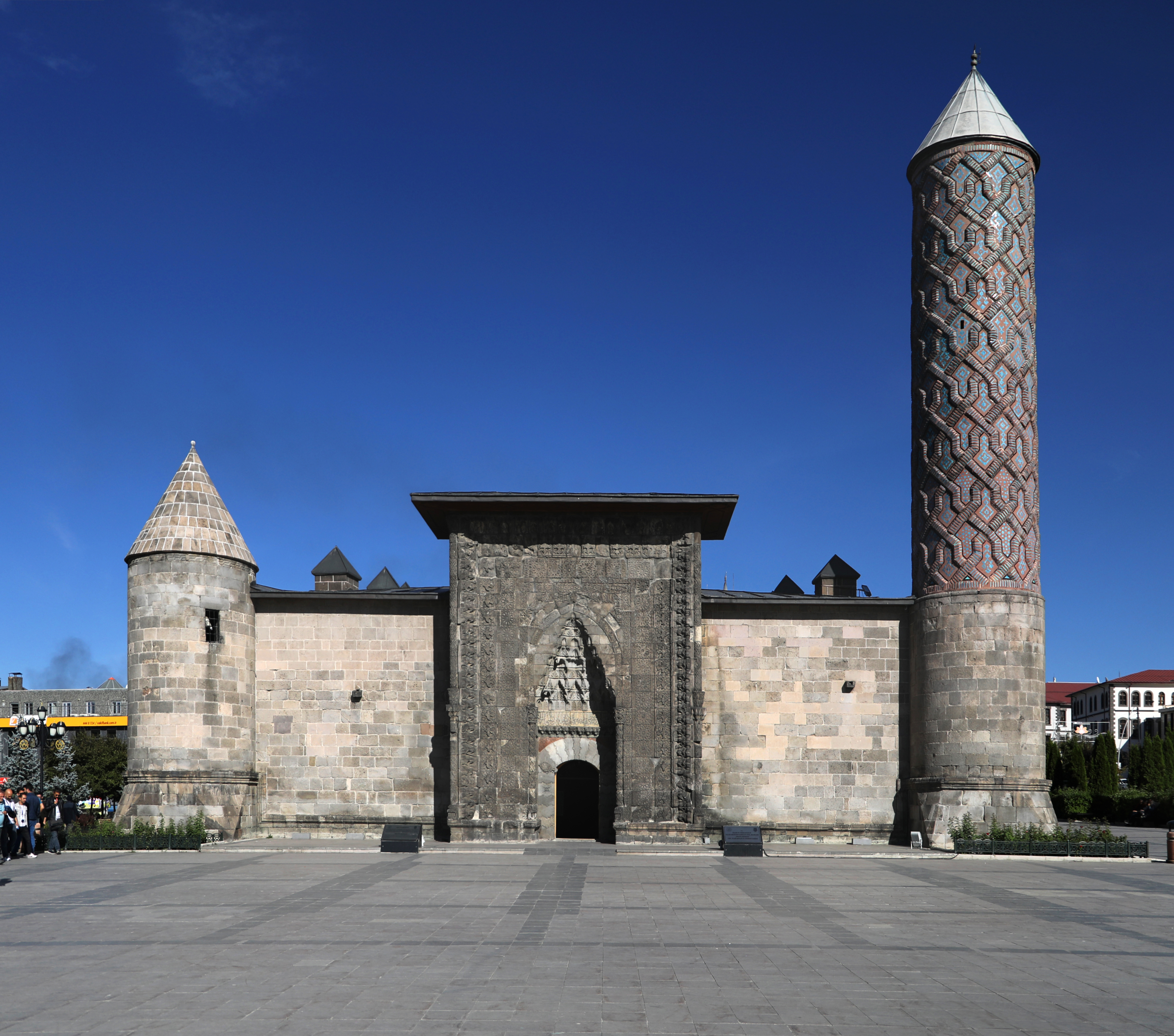 Yakutiye, Erzurum, TurkeyThe Zenith of Ilkhanid Stone Art: Erzurum Yakutiye Madrasa
Built during the reign of Ilkhanid ruler Oljaitu in 1310-1311, the Erzurum Yakutiye Madrasa is a monumental structure distinguished by its enclosed courtyard, muqarnas corbeling, double-headed eagle motifs, and relief carvings, as well as its glazed brick minaret with firozeh and purple glazes [1].
-
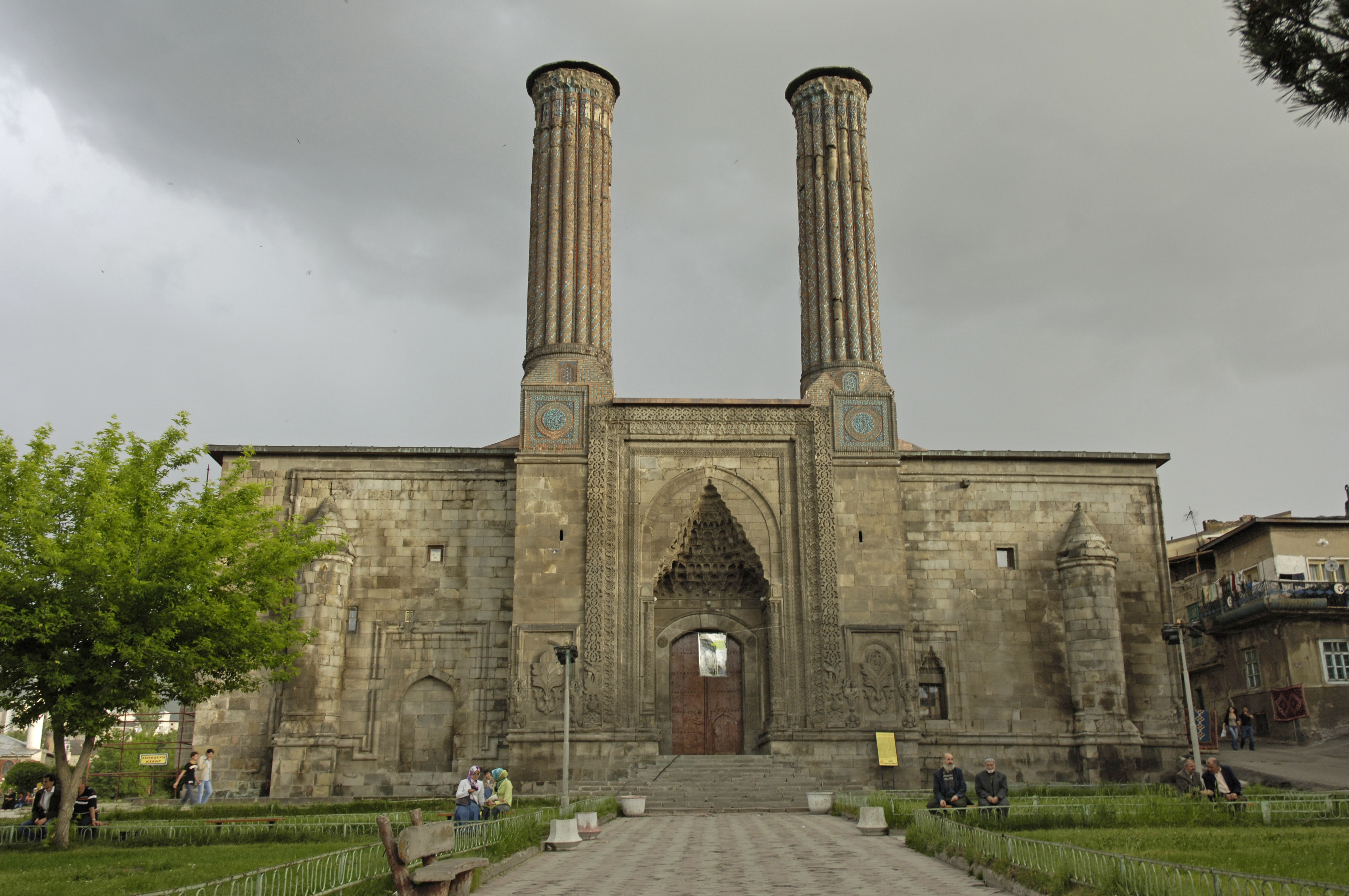 Yakutiye, Erzurum, TurkeyThe Monumental Summit of Stone and Tile: Erzurum Çifte Minareli Madrasa (Hatuniye)
Located in İçkale, the Hatuniye Madrasa, with its 35 × 48 meter dimensions, is Anatolia's largest Seljuk madrasa. Its two-story, four-iwan open courtyard plan, 26-meter brick minarets, tilework, and tree of life carvings define this architectural landmark [1].
-
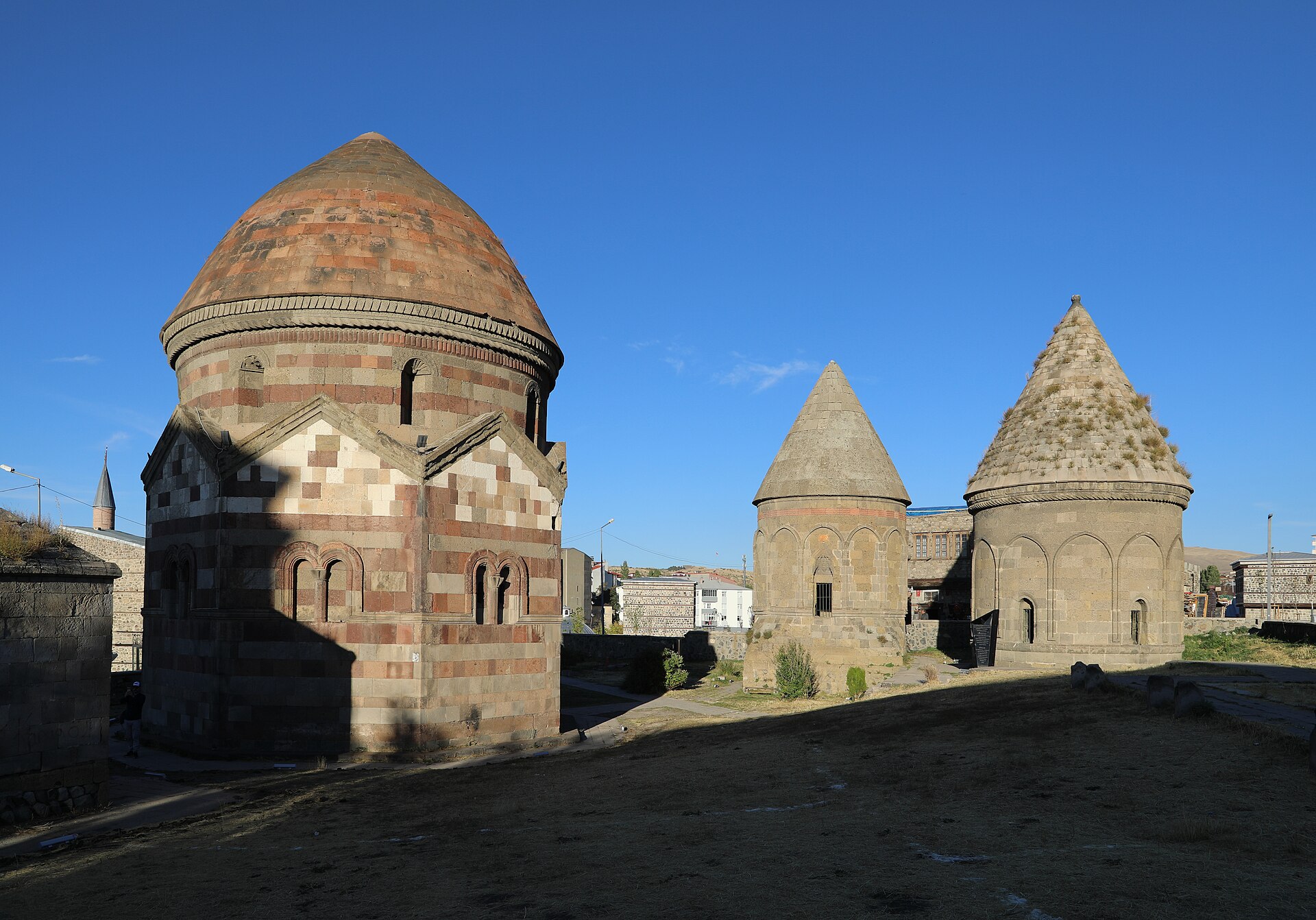 Erzurum, TurkeyErzurum Three Tombs: Emir Saltuk's Twin Serpent and Two-Colored Stone Monument
Rising to the south of Erzurum's Double Minaret Madrasa, the Three Tombs consist of the 12th-century two-colored tomb of Emir Saltuk, featuring twin serpent and griffin reliefs on its drum, along with twelve anonymous tombs and crypts, forming one of Anatolia's oldest open-air mausoleums in funerary architecture.
This catalog only includes historical monuments registered in our database. For visiting hours and admission policies, please consult official guidelines of relevant authorities.